
Images are provisional and may be updated.
Intro
John Wayne's screen presence was characterized by a commanding physicality and a distinctive vocal delivery, which together created an iconic image of masculinity in American cinema. His performances transcended mere acting; they embodied a rugged individualism that resonated deeply with audiences.
Career snapshot
Wayne's career began in the early 1920s, but it wasn't until the late 1930s that he became a household name with films like 'Stagecoach'. His career trajectory saw him evolve from B-movie cowboy roles to leading man status, becoming a symbol of American values throughout the mid-20th century.
Anchor film context
In 'Rooster Cogburn', Wayne reprised his role as the grizzled U.S. Marshal from 'True Grit'. This film allowed him to explore themes of redemption and resilience, showcasing his ability to bring depth to a character already beloved by audiences.
Screen identity and style
Wayne's technical style was marked by a strong, upright posture and deliberate movements, which conveyed authority and confidence. His vocal delivery, often gravelly and assertive, added layers to his characters, making them larger-than-life figures.
Collaborations and patterns
Throughout his career, Wayne frequently collaborated with directors like John Ford and Howard Hawks, who shaped his cinematic identity. He also starred alongside notable co-stars such as Maureen O'Hara and Jimmy Stewart, creating memorable on-screen chemistry.
Era reflection
Wayne's films often mirrored the social landscape of post-war America, reflecting themes of heroism, individualism, and national pride. His portrayals frequently challenged societal norms, presenting a complex view of masculinity during a time of great change.
Legacy and rediscovery
John Wayne's legacy is profound, influencing generations of actors with his embodiment of the American hero. His impact on the Western genre and his representation of masculinity continue to resonate in contemporary cinema, with many actors citing him as a foundational influence.
Rewatch notes
- Wayne often performed his own stunts, showcasing his physicality and commitment to authenticity.
- His distinctive walk and posture became a hallmark of his screen persona, influencing how leading men were portrayed in Hollywood.
- Wayne's deep voice was not just a characteristic feature; it was integral in establishing his tough-guy image.
- He had a unique ability to convey vulnerability, especially in later roles, which added depth to his characters.
- Wayne's collaborations with John Ford produced some of the most iconic Westerns in film history.
- His performances often included a blend of humor and drama, making his characters relatable despite their larger-than-life qualities.
- Wayne's use of pauses in dialogue delivery heightened emotional tension in many scenes.
- He was known for his strong work ethic, often spending long hours on set to perfect his roles.
- Wayne's choice of roles often reflected his personal beliefs, particularly his strong sense of nationalism.
- He remains a polarizing figure in contemporary discussions about representation in film, highlighting the complexities of his legacy.
Career highlights
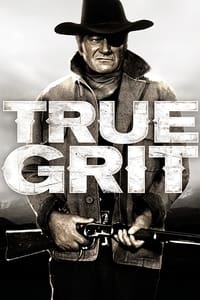
Wayne's portrayal of the gruff yet principled U.S. Marshal earned him an Academy Award, solidifying his status as a leading man.

This role showcased Wayne's ability to convey complex emotions and moral ambiguity, marking a significant shift in his on-screen persona.
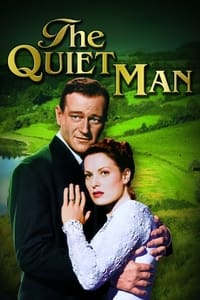
This film allowed Wayne to explore a romantic lead, displaying his charm and physicality in a different light.
Wayne's performance as a tough Marine leader became iconic, reflecting the patriotic spirit of the era.

This role was pivotal in establishing Wayne as a major star, showcasing his rugged heroism.
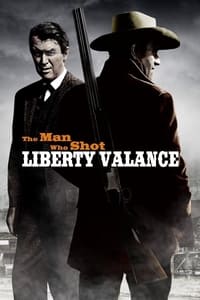
In this film, Wayne's character grapples with the tensions between myth and reality in the American West.

Wayne's performance exemplified his commitment to classic Western tropes while providing a unique interpretation of a lawman.
Corrections
Spotted something off, missing, or worth refining? Send a note. Updates happen through our pipeline after users engage.