




























DailyTimeCapsule brief
December 17, 2024
On December 17, 2024, significant discussions emerged around the use of psychedelics as potential therapeutic tools for those facing terminal conditions. This development came amid a backdrop of ongoing debates in the medical community regarding the treatment of mental health and end-of-life care. Concurrently, revelations surfaced that major pharmaceutical companies had received secret payments, which facilitated the unrestricted distribution of opioids, raising alarms about the ethics and accountability within the industry. In the entertainment sector, a new analysis suggested that successful streaming productions increasingly depended on theatrical releases, indicating a shift in how audiences consume media. These events unfolded against a backdrop of heightened public scrutiny over corporate transparency and the evolving landscape of healthcare and entertainment.
Key developments
-
In recent years, there has been a significant shift towards using psychedelics, such as psilocybin and ketamine, for palliative care. These treatments have been embraced by patients seeking relief from anxiety and despair associated with terminal illnesses. Research has shown promising results, indicating that psychedelics can provide profound emotional and psychological benefits to those facing the end of life.
-
A recent investigation by The New York Times revealed that major drug manufacturers, including Purdue Pharma, secretly paid pharmacy benefit managers (PBMs) to ensure the uninterrupted prescription of opioids. These financial arrangements effectively bypassed any limitations on painkiller distribution, contributing to the widespread opioid epidemic in the United States. The findings have sparked renewed scrutiny of the pharmaceutical industry and calls for greater transparency and accountability in drug pricing practices.
-
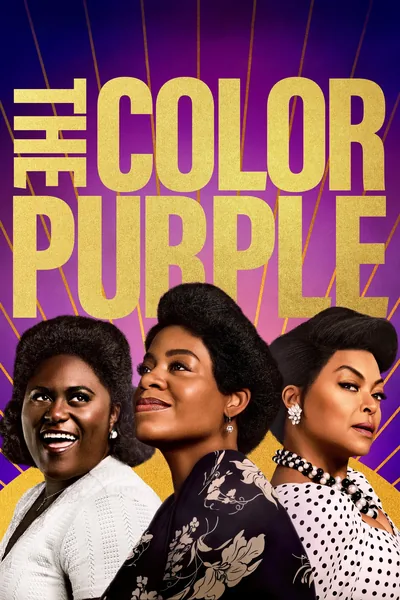
Here’s a Hollywood Twist: Streaming Success Runs Through Theaters


