












































DailyTimeCapsule brief
September 8, 2023
On September 8, 2023, a significant headline emerged detailing how Black nurses were actively recruited to Staten Island to combat a deadly disease. This initiative was critical in addressing health disparities and improving care in underserved communities, reflecting a broader national concern for equitable healthcare access. Around the same time, college campuses across the United States were embroiled in heated debates over Diversity, Equity, and Inclusion (D.E.I.) statements, sparking discussions on academic freedom and institutional values. In the entertainment sector, viewers expressed frustration as it seemed that cancellation of streaming shows had become increasingly common, raising questions about content sustainability and viewer engagement in a rapidly changing media landscape.
Key developments
-
In the early 20th century, Staten Island became a pivotal site in the fight against tuberculosis, a disease that claimed millions of lives. The recruitment of Black nurses marked a significant movement in healthcare, as they played key roles in providing care and education about the disease during an era of racial segregation. Their contributions not only helped save lives but also laid the groundwork for future advancements in nursing and the fight for diversity within the healthcare profession.
-
Yoel Inbar, a psychology professor, faced significant challenges during his tenure application process at U.C.L.A. due to his critical stance on diversity, equity, and inclusion (D.E.I.) statements required by many academic institutions. His experience highlights the broader debate over the role and impact of such statements in hiring practices on college campuses, raising questions about academic freedom and institutional values. This controversy has sparked discussions among faculty, administrators, and students about the balance between promoting inclusivity and maintaining diverse ideological perspectives in higher education.
-
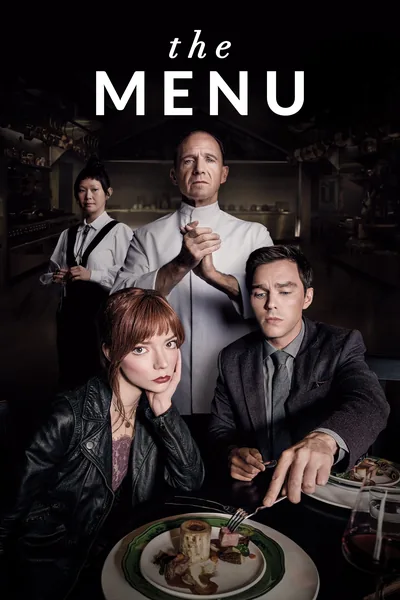
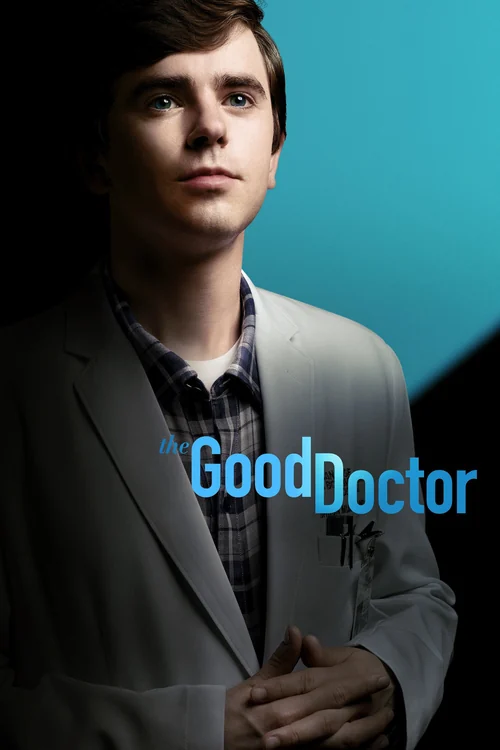
In recent years, the streaming landscape has seen a wave of high-profile show cancellations, leading to growing concerns among viewers about the stability of content on these platforms. However, while the frequency of cancellations may suggest a cutthroat industry, new shows are still given a better chance compared to the often brutal environment of traditional network television. This situation reflects a balance where streaming services aim to manage costs while still fostering creative innovation, offering a mixed bag of hope and disappointment for both creators and audiences.