



















DailyTimeCapsule brief
January 23, 2022
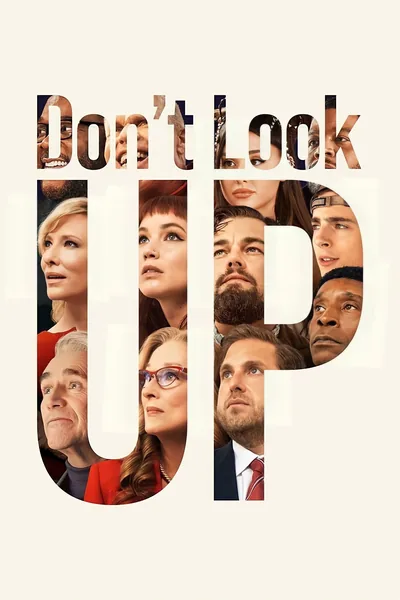
On January 23, 2022, a significant legal case unfolded concerning Nazi-looted art, with the focus on the man who authored key guidelines for the restitution of such artworks. This case reflects a broader global dialogue on historical injustices and the complex process of reconciling art ownership. Concurrently, athletes faced an arduous final qualifying event leading up to the upcoming Winter Olympics, as they prioritized health amidst ongoing concerns about COVID-19. The entertainment industry also stirred discussions around the film 'Don't Look Up,' which offered a satirical take on contemporary societal issues, sparking debates on how art can influence thought and awareness in today's fast-paced world. As these events transpired, the world remained engaged with the intersection of culture, politics, and sports, each shaping public consciousness in different ways.
Key developments
-
A diplomat and lawyer, known for his pivotal role in drafting a widely-accepted treaty for the restitution of Nazi-looted art, now finds himself representing the family of a childhood friend in a challenging legal battle. The case involves a lawsuit demanding the return of a significant painting, bringing to the forefront complex issues surrounding ownership and historical justice. This situation underscores the personal and intricate nature of art restitution claims, where ties of friendship intersect with the broader implications of wartime art theft.
-
As the Olympics in Beijing approach, athletes face an unprecedented challenge: maintaining their health and preventing COVID-19 infections. Years of dedication and exhaustive training are at risk if competitors contract the virus just before the games. To shield themselves, many athletes are isolating, turning down social engagements, and forgoing opportunities to compete, prioritizing their health over everything else.
-
Can Works Like ‘Don’t Look Up’ Get Us Out of Our Heads?