









































DailyTimeCapsule brief
September 5, 2021
On September 5, 2021, the U.S. government expressed increasing concerns about the rapid integration of cryptocurrencies into traditional banking systems. The regulatory scrutiny was intensifying as lawmakers in Washington began to take notice of the accelerated pace at which digital currencies were being adopted. This shift was fueled by a broader acceptance of cryptocurrencies among the public and businesses, prompting debates about the implications for financial regulation and consumer protection. Meanwhile, the literary world was spotlighting S.A. Cosby, an acclaimed writer known for his violent noir novels, who was celebrating the Southern U.S. culture through his storytelling. The day also marked a period of reflection on the significance of September 11, as Americans pondered whether it was merely a date in history or the beginning of an enduring era defined by its impact on national security and foreign policy.
Key developments
-
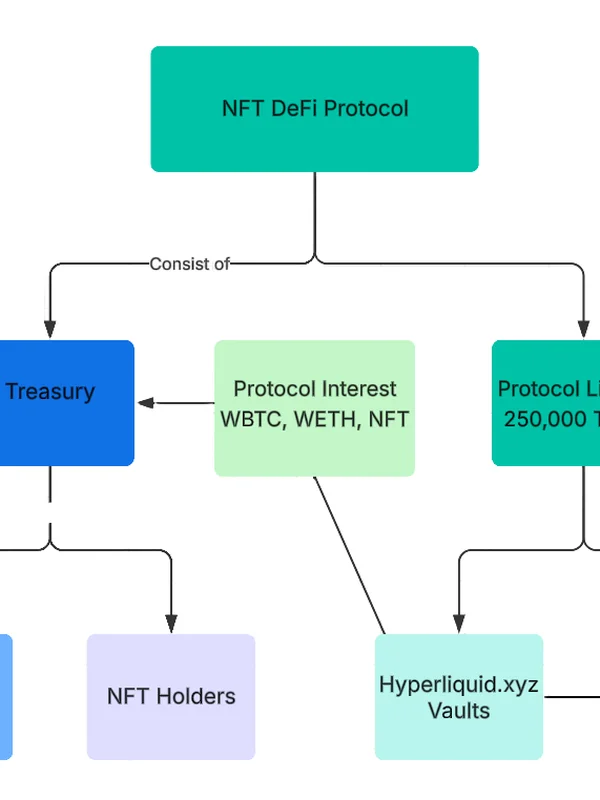
The rapid proliferation of cryptocurrency companies offering services like loans and high-yield deposit accounts has created significant upheaval in the banking sector. Traditional financial institutions are facing mounting pressure to adapt to this new landscape as consumers increasingly turn to digital assets for better returns and innovative services. As a result, U.S. regulators are struggling to keep pace with these developments, raising concerns about consumer protection, financial stability, and regulatory oversight.
-
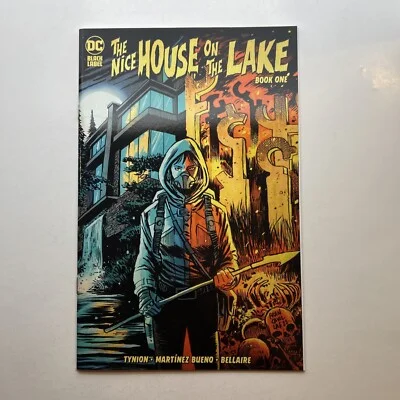
S.A. Cosby has emerged as a significant voice in contemporary noir fiction, particularly through his acclaimed novels 'Blacktop Wasteland' and 'Razorblade Tears.' These works explore complex themes such as family dynamics, racial identity, and the legacy of Southern history, all set against a backdrop of rural violence. Cosby's storytelling has garnered critical acclaim and brought new attention to the genre, reflecting the intricacies of Southern life and its darker undertones.
-
The events of September 11, 2001, mark a significant turning point in U.S. history, leading to profound changes in national security, foreign policy, and societal perspectives. For over two decades, the narrative surrounding 9/11 has evolved from immediate shock and grief to a more nuanced discussion involving divisive interpretations and lasting impacts. As the anniversary approaches, there is a growing call for media to address these complexities with the seriousness they warrant, moving beyond mere commemoration to a critical examination of its lasting legacy.