


















































DailyTimeCapsule brief
July 14, 2021
On July 14, 2021, Germany was making headlines with its ambitious plans to lead in driverless technology. Amidst the rapid advancements in artificial intelligence and autonomous vehicles, Germany aimed to gain a competitive edge in this transformative sector. Globally, discussions around vaccination were intensifying, particularly focusing on vocal anti-vaccine chiropractors who were causing a rift within their profession. This discourse highlighted a growing tension in the health community regarding vaccination, set against the backdrop of the COVID-19 pandemic and its ongoing impact on public health policies. At the same time, literary circles were buzzing with the release of 'Intimacies,' a novel exploring the complexities of translation and power dynamics, reflecting wider societal themes during a time of uncertainty and change.
Key developments
-
Germany has implemented a new law that permits the use of autonomous vehicles on public roads, paving the way for innovation in driverless technology. This legislation aims to provide a standardized legal framework, addressing gaps that exist in the regulatory environment of the United States. By fostering an environment conducive to driverless technology development, Germany hopes to position itself as a leader in this rapidly evolving field.
-
Katie Kitamura’s fourth novel, ‘Intimacies,’ delves into the complexities of language and its profound impact on relationships and power dynamics. The narrative follows a woman navigating her role in an international criminal court, illuminating the intricate balance between justice and the often ambiguous nature of translation. Through her experiences, Kitamura raises questions about identity, belonging, and the ethical implications of interpreting others' words and intentions amidst the backdrop of global conflict.
-
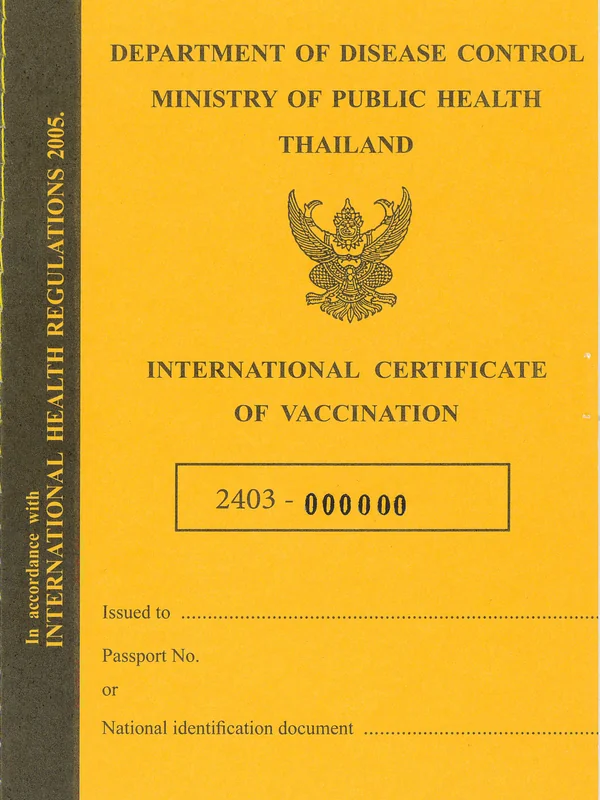
As the Delta variant of the coronavirus poses ongoing public health challenges, a division within the chiropractic profession has emerged. A vocal anti-vaccine faction is increasingly at odds with those who promote vaccination, creating a rift that has significant implications for both practitioners and patients. This conflict has intensified as vaccination rates plateau, potentially jeopardizing trust in healthcare recommendations and public safety.