












































DailyTimeCapsule brief
May 20, 2021
On May 20, 2021, the U.S. House of Representatives approved a bill to establish a commission to investigate the January 6 Capitol riot, a significant step in addressing the events that led to the breach of the Capitol. Despite this House approval, the prospects for the bill in the Senate appeared dim, highlighting the deep political divide in Congress over how to handle the aftermath of the event. Meanwhile, the ongoing conflict in Gaza continued to stir complex emotions among American Jews, with many facing an 'identity crisis' as they navigated their cultural and political affiliations in light of the violence. Globally, nations raced to procure COVID-19 vaccines, but Mongolia stood out with its ample supply, reflecting varying global access to vaccination resources amidst the pandemic.
Key developments
-
On May 19, 2021, the U.S. House of Representatives voted in favor of establishing a bipartisan commission to investigate the January 6th Capitol riots, marking a significant moment for accountability. This decision received backing from 35 Republican members, indicating a willingness among some GOP members to seek transparency regarding the events surrounding the violent attack. However, Senate Minority Leader Mitch McConnell's opposition raised concerns about the bill's chances of advancing in the Senate, casting doubt on the future of the commission.
-
The ongoing Gaza conflict has prompted many young American Jews to reevaluate their identities amid a complex socio-political landscape. Unlike previous generations, this cohort faces pressures stemming from heightened social media discourse, polarized opinions, and an increasing demand for social justice advocacy. As a result, they are navigating the challenges of aligning historical Jewish solidarity with contemporary human rights concerns in the Middle East.
-
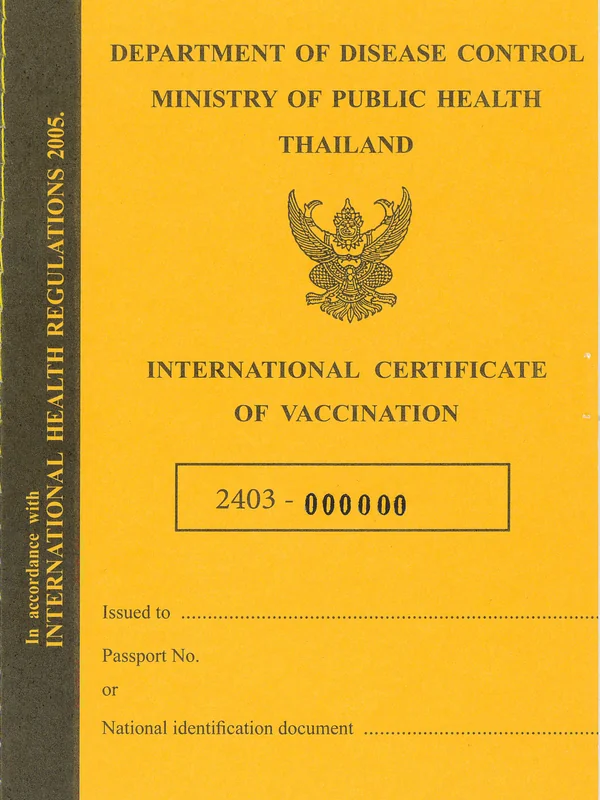
In the race for COVID-19 vaccinations, Mongolia has emerged as a notable exception among developing nations by securing an ample supply of vaccines. This success is attributed to Mongolia's strategic diplomatic relations with both Russia and China, which enabled the country to acquire doses from both sources. As a result, Mongolia has been able to vaccinate a significant portion of its population, showcasing a unique approach to vaccine diplomacy.