






























DailyTimeCapsule brief
April 25, 2021
On April 25, 2021, the world witnessed a significant shift in the landscape of finance as cryptocurrency surged in popularity, leading many to identify as 'crypto people.' This increase in interest came amid ongoing concerns about the Covid-19 pandemic, particularly as millions in the U.S. were skipping their second doses of vaccines, highlighting vaccine hesitancy and public health debates. In the global market, the intense scrutiny over U.S. chicken exports to Britain raised alarms, as British consumers reacted to fears over 'chlorinated' chickens, prompting discussions about food safety and international trade standards.
Key developments
-
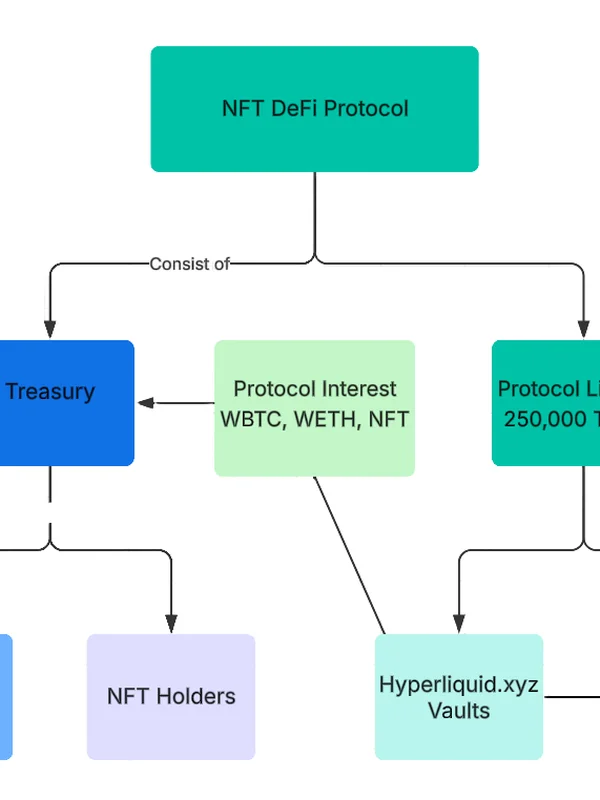
The journey of Bitcoin and other cryptocurrencies from mere digital curiosities to formidable investments has reshaped financial landscapes globally. Initially seen as a novelty, cryptocurrencies have gained significant traction, prompting both institutional and retail investors to take notice and invest. This shift has sparked debates over regulatory frameworks, environmental impacts, and broader economic implications, as society grapples with the realities of a digital financial revolution.
-
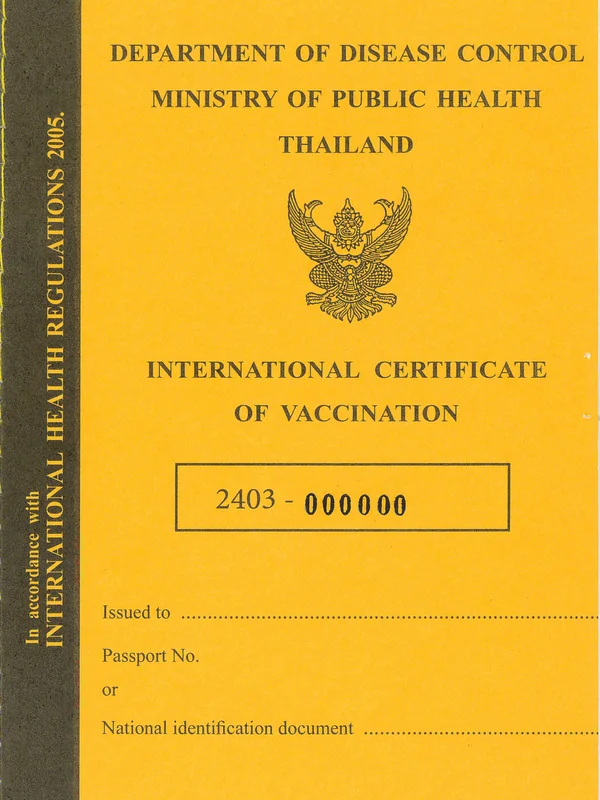
A concerning trend has emerged as nearly 8 percent of individuals who received their first doses of the Pfizer or Moderna COVID-19 vaccines have failed to return for their second shots. This drop in vaccination rates is alarming to state health officials, who are actively implementing strategies to encourage full vaccination completion. It is imperative to address this issue to achieve herd immunity and effectively combat the spread of the virus.
-
The introduction of American 'chlorinated chickens' has sparked significant controversy in the United Kingdom, serving as a focal point for concerns regarding food safety and quality. This debate emerged in the context of impending trade negotiations between the U.S. and the U.K., with many British consumers equating the quality of American poultry with lower food standards. Prominent politicians and activists alike have voiced strong opposition, suggesting that such import practices could undermine British agricultural values and consumer safety.