






























DailyTimeCapsule brief
February 19, 2021
On February 19, 2021, Texas faced a severe water crisis, largely due to an unprecedented winter storm that resulted in cracked pipes, frozen wells, and offline treatment plants. Millions of residents were left without water, highlighting the state's vulnerability to extreme weather events. As the crisis unfolded, states across the country were grappling with vaccine distribution challenges, finding hidden stashes of the COVID-19 vaccine in their own facilities amidst soaring demand. Meanwhile, a significant ruling from a British court declared that Uber drivers are entitled to worker benefits, sparking discussions on gig economy regulations in the United Kingdom.
Key developments
-
In February 2021, a severe winter storm swept through Texas, leading to widespread power outages and damage to infrastructure. As temperatures plummeted, many pipes cracked, and wells froze, severely impairing the state's water supply systems. Consequently, nearly two-thirds of Texas residents faced disruptions in water service, leaving millions without access to clean drinking water for an extended period.
-
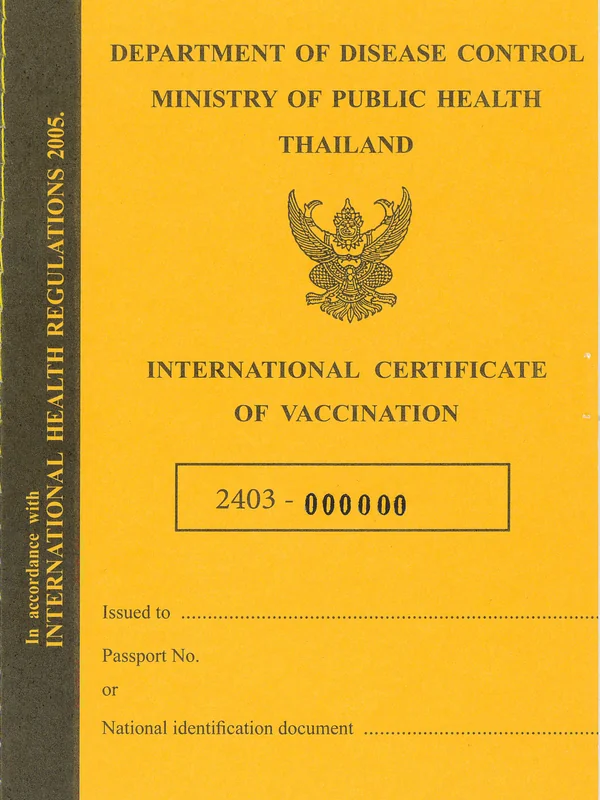
Amidst a nationwide push for COVID-19 vaccinations, various states discovered large quantities of vaccine doses that had been previously allocated but not utilized. These vaccines were found in nursing homes or stockpiled for future needs, leading to renewed efforts to encourage vaccination. As states begin to claim these hidden doses, they aim to optimize vaccine distribution and address concerns about accessibility and hesitancy among the public.
-
In a landmark ruling, a British court determined that Uber drivers are entitled to worker benefits, such as minimum wage and holiday pay. This decision marks a significant step forward for gig economy workers, affirming their status as employees rather than independent contractors. The case has energized labor activists in both the U.S. and Europe, fueling ongoing efforts to secure better wages and protections for workers in the gig economy.