
























































DailyTimeCapsule brief
December 13, 2020
On December 13, 2020, a prominent story emerged about a mother who relentlessly pursued the killers of her daughter across Mexico. The heart-wrenching tale highlighted the ongoing struggles families face in seeking justice amidst a backdrop of violence and crime. Amid the COVID-19 pandemic, the urgency for vaccinations was palpable as people were encouraged to showcase their vaccination status through mobile applications. Meanwhile, in the entertainment sector, WarnerMedia's chief faced growing scrutiny and backlash, with some in Hollywood labeling him a 'movie villain' due to controversial decisions affecting the industry. This day marked a complex intersection of personal tragedy, public health, and the evolving dynamics of the entertainment world.
Key developments
-
Miriam Rodríguez became an emblem of resilience and determination after her daughter was murdered in 2012 by a drug cartel. Armed with a handgun, fake ID, and disguises, she embarked on a harrowing journey across Mexico to track and confront her daughter's killers, showcasing her unwavering resolve in the face of rampant impunity. Her efforts brought local and international attention to the violence faced by families of crime victims in Mexico, effectively challenging a justice system often seen as ineffective.
-
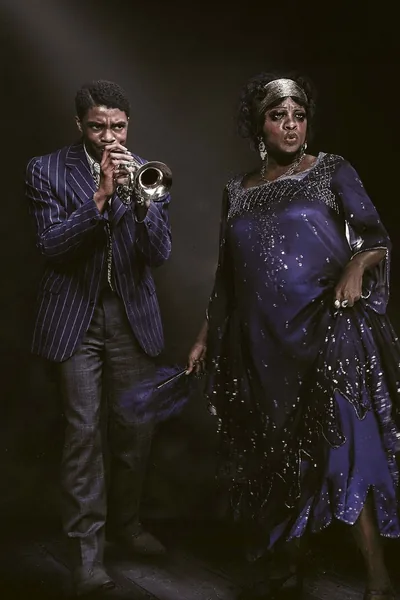
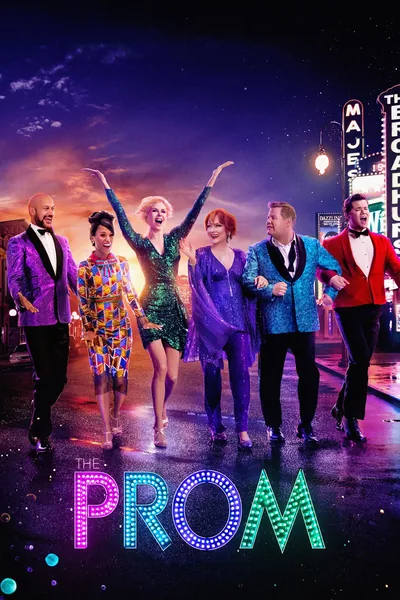
In 2020, WarnerMedia's CEO Jason Kilar announced a bold plan to release all 2021 films in theaters and on its streaming service, HBO Max, simultaneously. This unprecedented move was met with backlash from numerous filmmakers and industry insiders who were concerned about the potential impact on box office revenues and the traditional cinematic experience. Many argued that Kilar's approach undermined the livelihoods of those dependent on theatrical releases, causing a significant rift between studio executives and creative talents.
-
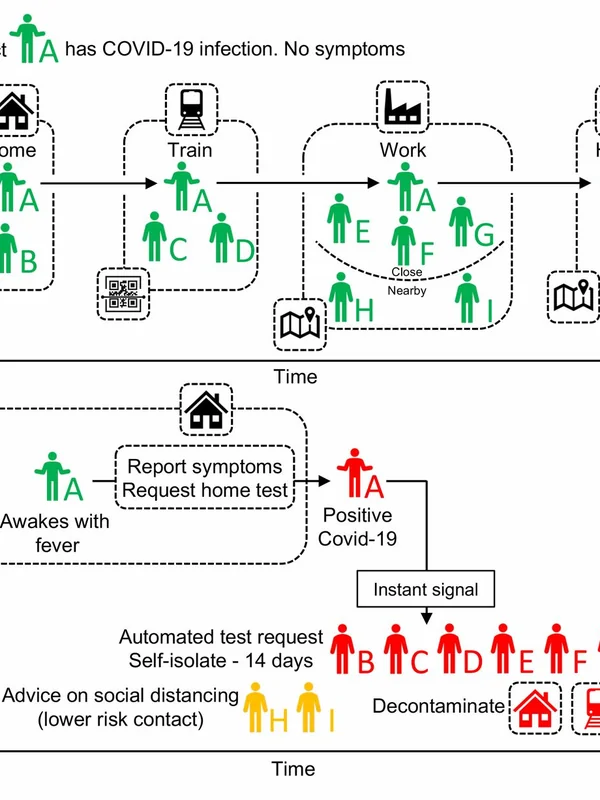
In response to the Covid-19 pandemic, various health pass applications were developed to verify vaccination status, aimed at facilitating safer interactions in public spaces. These digital passes were seen as essential tools for reopening businesses and accelerating economic recovery, as they allowed venues to operate under safer conditions. However, they also raised concerns about privacy and accessibility, potentially excluding unvaccinated individuals from travel and workplaces, thus deepening social inequalities.