























































DailyTimeCapsule brief
November 16, 2020
On November 16, 2020, the United States was engulfed in rising tensions as President Donald Trump continued to contest the results of the recent presidential election. Amid allegations of widespread voter fraud, Trump directed his focus against the American media, claiming they were biased against his administration's efforts to investigate these allegations. Concurrently, the nation faced a stark reality as COVID-19 cases surpassed 11 million, making the pandemic a personal crisis for many Americans, as families grappled with loss and uncertainty. The rising infection rates prompted renewed discussions on public health policy and government responses, which had become increasingly polarized along partisan lines as local and state governments implemented various restrictions in response to the pandemic's surge.
Key developments
-
In the aftermath of a series of terrorist attacks in France, the country's leader expressed profound discontent with how the English-language media was framing the events. He accused these media outlets of inadvertently legitimizing the violence by their reporting style, which he argued could lead to a distorted perception of the threats presented by terrorism. This confrontation highlighted the broader issues of media responsibility and the impact of international reporting on domestic public opinion during times of crisis.
-
In the wake of the 2020 presidential election, President Trump refused to concede defeat, complicating the transition of power to his successor. His actions included withholding crucial intelligence briefings and pandemic response information, further intensifying political tensions and conspiracy theories among his supporters. This period marked a significant moment in American political history, illustrating the fragility of democratic norms during electoral disputes.
-
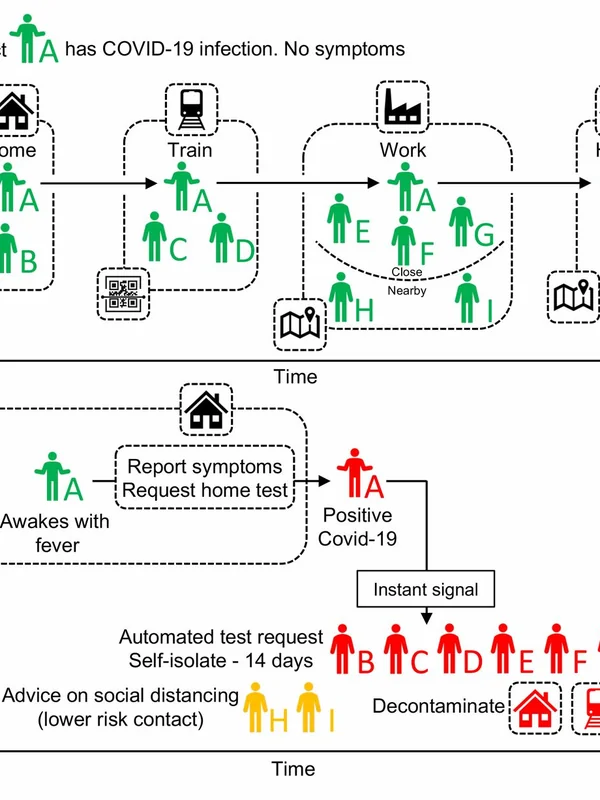
The COVID-19 pandemic has transcended from a distant health crisis to a personal experience that has impacted nearly every American's life. With more than 11 million cases reported in the U.S., individuals and families have faced direct challenges, including illness, loss of loved ones, and economic hardship. This widespread experience is reshaping societal behaviors, attitudes, and health practices as communities navigate the lasting effects of the virus.