














































DailyTimeCapsule brief
August 12, 2020
On August 12, 2020, Kamala Harris was officially announced as the Democratic vice-presidential nominee, making history as the first Black and South Asian woman to hold this position. The announcement came during a contentious election cycle marked by the COVID-19 pandemic, which had significantly disrupted daily life and the economy. As restaurants and businesses faced unprecedented challenges, there was a growing public desire to return to normalcy, which raised concerns about health and safety. This political landscape reflected broader societal tensions, with many Americans grappling with issues of governance, public health policy, and racial inequality, all of which were at the forefront of national discourse as the country prepared for the upcoming presidential election.
Key developments
-
In 2020, Kamala Harris made history by becoming the first Black woman and person of South Asian descent nominated as vice president on a major U.S. political party ticket. Her selection by Democratic presidential candidate Joe Biden was seen as a strategic move, appealing to a diverse electorate while also energizing the party's base, especially among Black women voters. This landmark choice marked a significant step forward in U.S. politics, representing both continuity and change, as Harris brought her progressive stances and legal expertise to the national stage.
-
Kamala Harris, raised in Berkeley, was influenced by her surroundings of political activism and progressive ideals. However, she evolved her approach to effecting change, believing that engaging from within established political structures could yield more significant results. Her journey reflects the duality of her upbringing and the strategic choices she made in her career, ultimately playing a vital role in her ascent to Vice President of the United States.
-
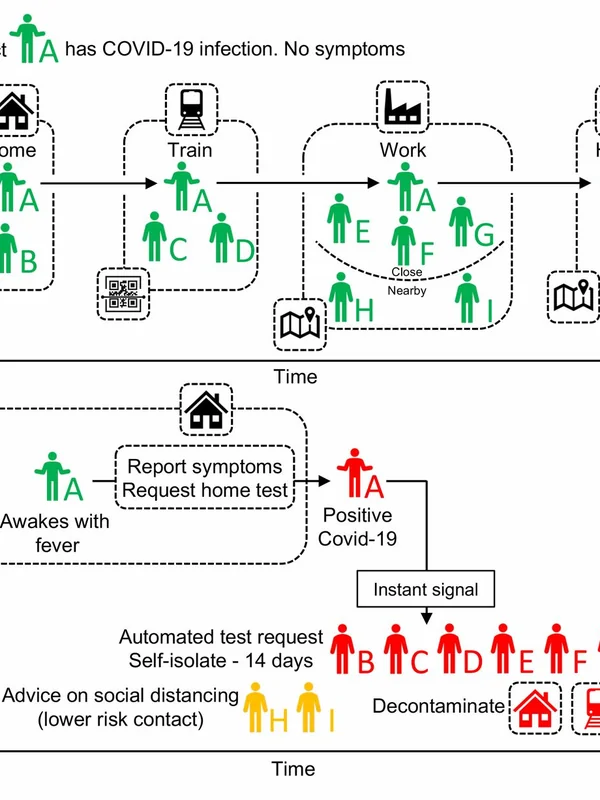
As the pandemic restrictions began to lift, both government officials and restaurant owners pushed for a return to regular operations, driven by a desire for economic revival and social engagement. However, the reopening of bars and restaurants quickly became a point of contention as they were associated with numerous clusters of Covid-19 infections, complicating efforts to manage public health. The push to dine out again not only highlighted the economic challenges faced by the hospitality sector but also exposed the ongoing risks of viral transmission in communal spaces.