













































DailyTimeCapsule brief
August 9, 2020
On August 9, 2020, the political landscape in America was marked by increasing tensions surrounding law enforcement and governance. Kamala Harris, who was in the national spotlight as a candidate for Vice President, had a record of taking a strong stance on policing, which drew both support and criticism during a time of heightened scrutiny of police practices following the George Floyd protests. Meanwhile, the COVID-19 pandemic continued to dominate headlines, with various states grappling with the implications of contact tracing as a method to combat the virus. Amid fears of contagion, health workers like contact tracers fought not only against the spread of the virus but also the fear that accompanied it, reflecting the dual challenges facing society during this unprecedented health crisis. Concurrently, conservative voices emphasized the power of Christianity in shaping moral frameworks and governance in times of crisis, arguing for a return to traditional values as a necessary foundation for recovery and unity.
Key developments
-
In a pivotal moment for American politics, Donald Trump made a significant promise to white evangelical Christians, pledging that 'Christianity will have power' during his presidency. This statement resonated strongly with his base, reflecting the deep ties between his administration and the evangelical community, who have been influential in U.S. political dynamics. The promise served to solidify his support among evangelical voters, who have historically played a critical role in Republican electoral success.
-
Senator Kamala Harris has emerged as a significant voice in the ongoing police reform movement, raising critical questions about accountability and oversight in law enforcement. During her tenure as district attorney and later attorney general, Harris faced scrutiny over her handling of police misconduct cases, which included both criticism for insufficient action and praise for some progressive measures implemented. Her complex record provides a window into the challenges of reforming police practices from within the system while balancing public safety and civil rights.
-
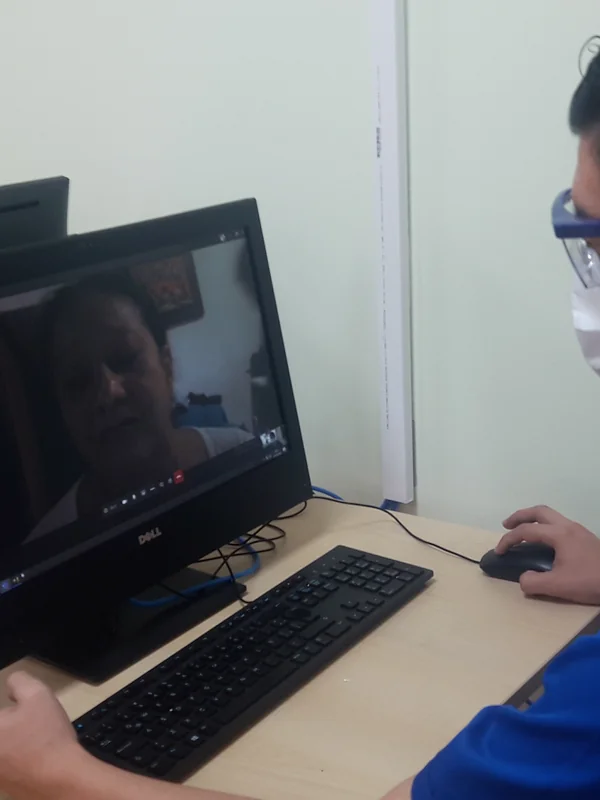
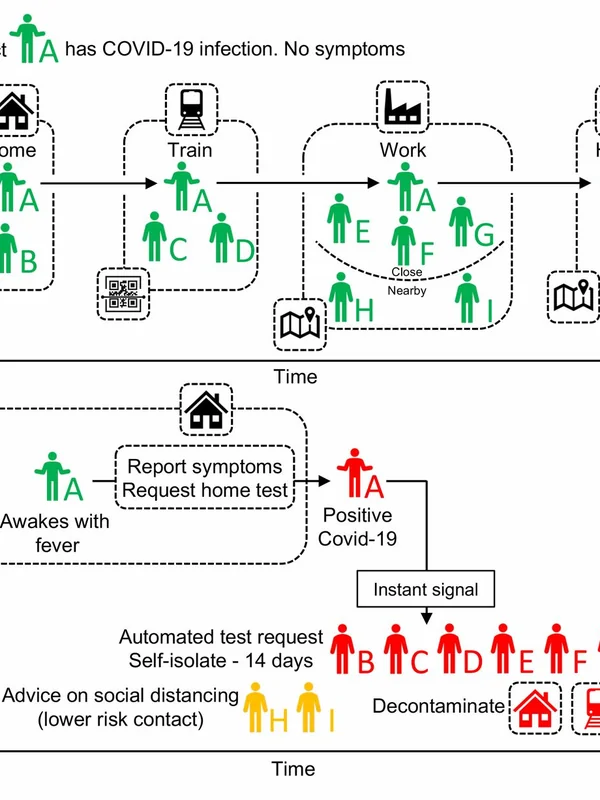
This article highlights the crucial role of contact tracers in managing the spread of infectious diseases, particularly during the pandemic. They face the dual challenge of addressing public health concerns while simultaneously combating the fear and stigma associated with illnesses like COVID-19. Many individuals are reluctant to disclose their status due to fears of deportation or job loss, making the contact tracer's work not only a health initiative but also a profound social intervention.