













































DailyTimeCapsule brief
July 20, 2020
On July 20, 2020, discussions around the ongoing COVID-19 pandemic intensified, spotlighting various societal responses to health mandates. In Ohio, a wedding provider gained media attention for organizing events amid the pandemic, highlighting a divide among citizens regarding safety measures. Meanwhile, Europe faced scrutiny for its initial pandemic preparedness, as the continent's pride in its health systems was challenged by rising infection rates. Economically, many businesses were struggling with debt, raising questions on fiscal responsibility and the role of government assistance during downturns. The day marked a critical juncture as the world grappled with how to balance public health and economic viability amidst the crisis.
Key developments
-
The event highlights the rising tensions surrounding lockdowns and mask mandates implemented during the Covid-19 pandemic, showcasing how these measures have ignited passions and discussions among the public. Within this context, an ex-Times reporter and an Ohio wedding provider emerged as key figures challenging the prevailing public health narratives, effectively using social media to propagate their views. Their arguments have resonated with a segment of the population, leading to a wider debate on individual freedoms versus collective safety in the face of a global health crisis.
Wikimedia Current Events -
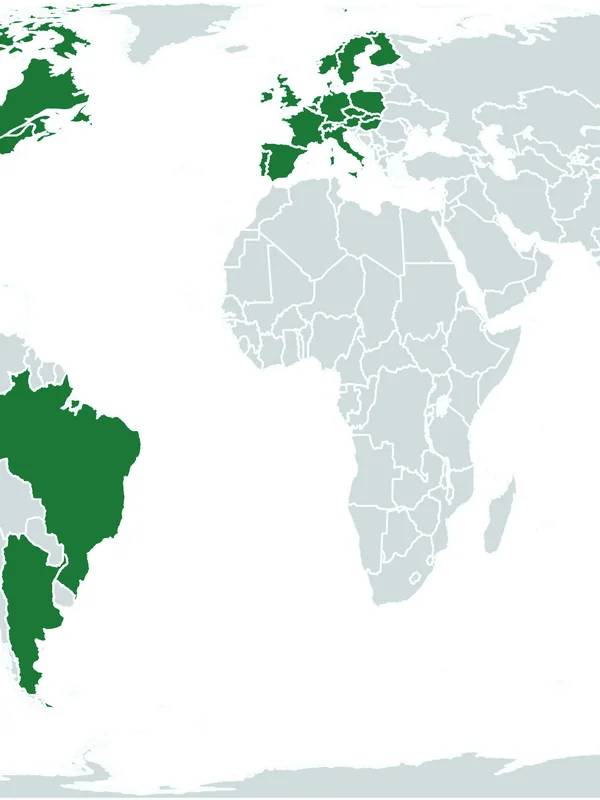
In the lead-up to the COVID-19 pandemic, many European nations boasted about their preparedness and robust health systems, largely relying on outdated models and bureaucratic assurances. As the crisis unfolded, it became evident that this confidence was misplaced; countries struggled with inadequate responses, overwhelmed healthcare systems, and logistical failures. The pandemic revealed not only the vulnerabilities in Europe's public health infrastructure but also a stark contrast between perceived wealth and actual readiness for a global health emergency.
Wikimedia Current Events -
Despite conventional wisdom suggesting that businesses should reduce debt in times of economic downturn, corporate America has seen a significant increase in borrowing, partly influenced by the Federal Reserve's measures to stabilize the financial markets. This unprecedented borrowing binge raises concerns about potential long-term financial implications for companies and the economy as a whole. As businesses capitalize on low interest rates to borrow more, questions arise about sustainability and risk management in an unpredictable economic climate.
Wikimedia Current Events