





































DailyTimeCapsule brief
June 26, 2020
On June 26, 2020, the United States faced a concerning surge in COVID-19 cases, predominantly among younger populations. This alarming trend highlighted the ongoing challenges the nation faced in managing the pandemic, as states re-evaluated their reopening strategies amid rising infections. The public's attention turned to the younger demographic, perceived as more resilient yet increasingly vulnerable to the virus. Concurrently, activism flourished as teenage girls across the country rallied for social justice reforms, advocating for a more equitable future in response to nationwide protests. As societal anxiety escalated, discussions emerged regarding doomsday bunkers, reflecting a collective unease and a shift in how individuals perceived personal safety and preparedness in a world rife with uncertainty.
Key developments
-
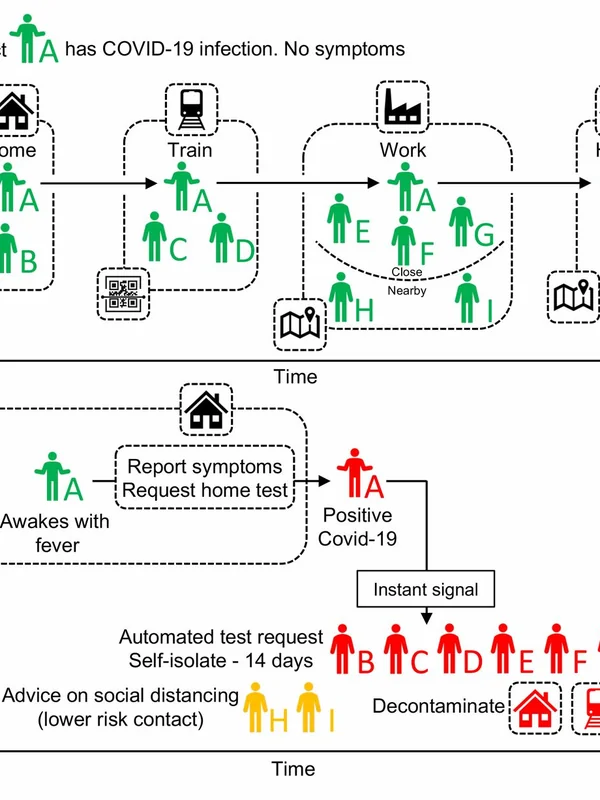
In recent months, there has been an alarming increase in COVID-19 cases among individuals in their 20s, 30s, and 40s, highlighting a shift in the demographics of the virus's transmission. This trend has sparked concerns about asymptomatic carriers within these age groups, who may unknowingly contribute to the spread of the virus in their communities. Public health officials emphasize the need for continued vigilance and adherence to safety protocols, as younger populations may underestimate their role in the pandemic's persistence.
Wikimedia Current Events -
Four young Black women have emerged as powerful voices for social justice, inspired by the legacies of past female activists. They are mobilizing their communities and using digital platforms to advocate for equity in education, healthcare, and social systems. Through grassroots campaigns and innovative outreach, these teens are shaping a movement aimed at creating a more just and inclusive future for all.
Wikimedia Current Events -
During the global lockdowns triggered by the pandemic, a notable segment of the populace turned to underground living spaces, known as doomsday bunkers, as a response to fears of societal collapse and health crises. These bunkers, often equipped with fortified walls, air filtration systems, and self-sustaining resources, provided a sense of security amid uncertainty. This shift to underground shelters raises questions about long-term societal changes and whether such preparations could become a standard practice in response to climate change and other global threats.
Wikimedia Current Events