

























DailyTimeCapsule brief
June 5, 2020
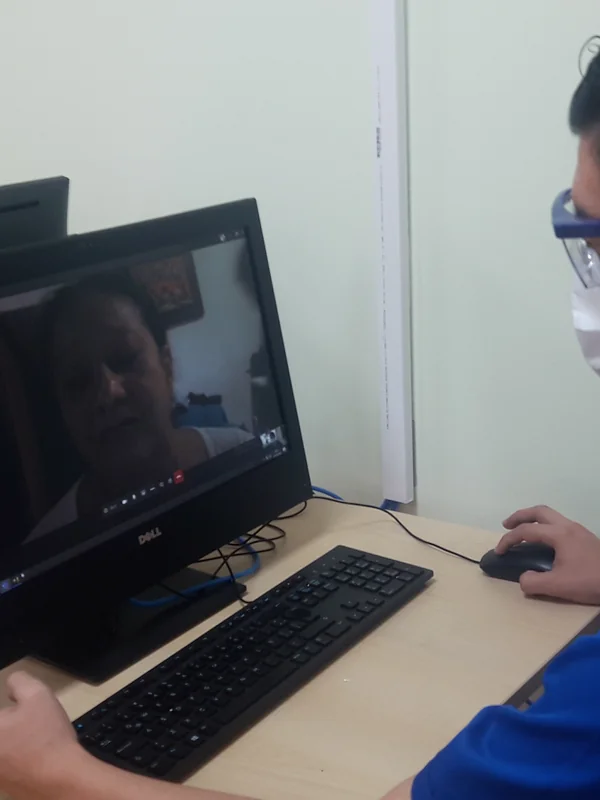
On June 5, 2020, a significant report emerged indicating that students across the United States were falling months behind in their education due to the disruptions caused by the COVID-19 pandemic. As schools transitioned to remote learning, many students, particularly from lower-income families, faced challenges accessing necessary resources and internet connectivity. This educational setback raised concerns about the long-term impact on the academic trajectory of millions of children. Concurrently, the commercial real estate sector was under severe pressure due to tenants struggling to pay rents amidst ongoing economic uncertainties, prompting discussions about the viability of various properties in urban centers. In New York City, a growing debate was ignited by the question of whether the high cost of living and difficulties arising from the pandemic made the city worth the investment for many residents and businesses alike.
Key developments
-
Research indicates that the transition to remote learning during the pandemic severely hindered academic progress for many students across the United States. This disruption not only resulted in significant learning losses but also exacerbated existing racial and economic disparities in education. Experts warn that the challenges of catching up will pose considerable hurdles for both students and educators in the following academic year.
-
The pandemic has profoundly affected commercial real estate, leading to significant challenges for landlords who are confronted with rent shortfalls. Many landlords are being forced to renegotiate leases, especially in sectors like hospitality and retail that have experienced sharp declines in demand. Lenders in the commercial real estate space are also under pressure as the financial stability of their tenants deteriorates, creating a ripple effect throughout the industry.
-
In recent years, New York City has faced increased scrutiny as many residents reconsider the value of city life amidst rising living costs, safety concerns, and the search for a more manageable lifestyle. While some are drawn to suburban or rural alternatives that promise affordability and tranquility, a steadfast group of New Yorkers argue for the city's vibrant culture, unparalleled opportunities, and resilient spirit. This ongoing debate reflects deeper societal shifts and personal preferences, questioning the essence of urban living in a post-pandemic world.