






















DailyTimeCapsule brief
April 9, 2020
On April 9, 2020, as the COVID-19 pandemic continued to disrupt daily life, a notable resurgence of traditional communication methods occurred, with phone calls making a significant comeback. The global scramble for medical supplies, including personal protective equipment, intensified as wealthier nations prioritized their needs, often sidelining poorer countries in this urgent effort. In New York City, the rental market faced upheaval; as economic uncertainties mounted, many tenants struggled with payments, leading to increased evictions and a volatile housing landscape. This day highlighted the stark inequalities exacerbated by the pandemic, while also reflecting shifts in personal interaction and economic resilience amidst crisis.
Key developments
-
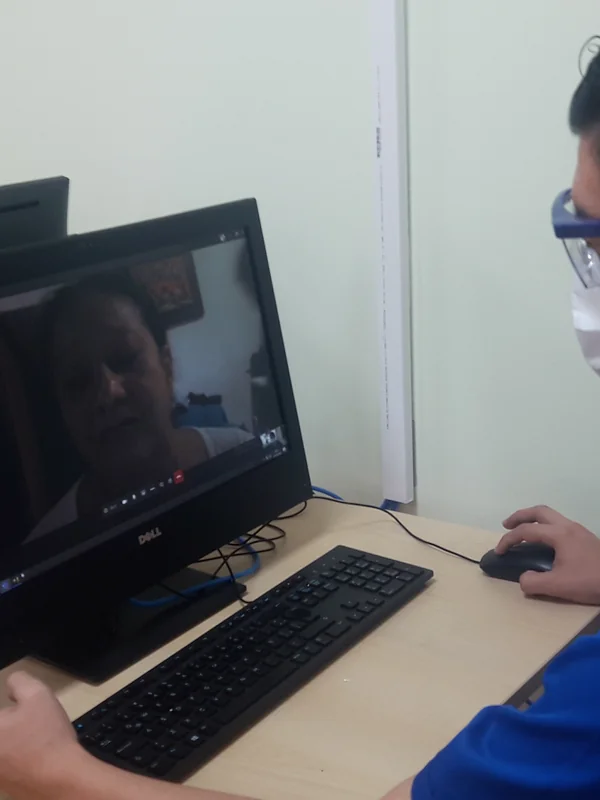
During the COVID-19 pandemic, there has been a remarkable increase in the volume of phone calls, surpassing even internet usage as people sought more personal connections. This shift reflects a growing desire to hear familiar voices and foster emotional ties during times of isolation. As virtual interactions became the norm, many found comfort in the simplicity of a direct phone call, reviving a form of communication that had been overshadowed by digital messaging.
-
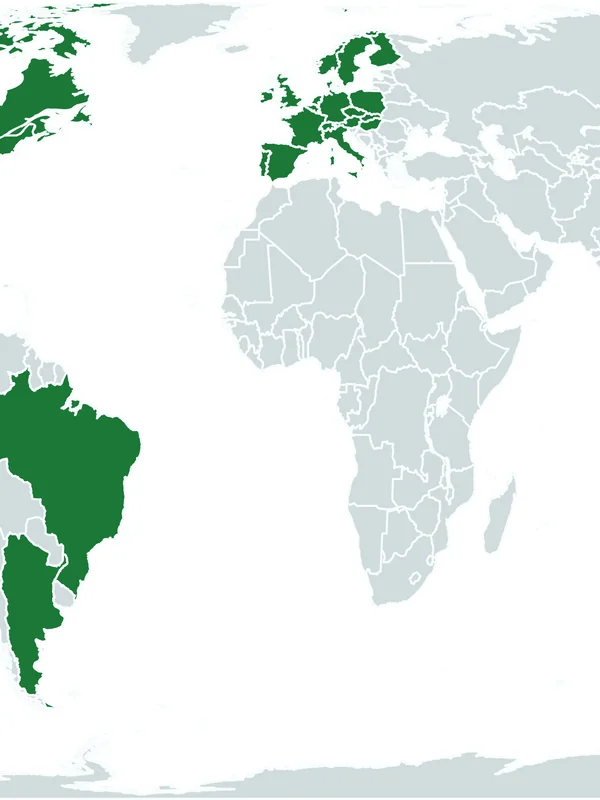
In the scramble for essential coronavirus supplies, developed nations, particularly the United States and countries in Europe, have secured disproportionate amounts of testing materials and medical equipment. As a result, developing nations in Latin America and Africa face severe shortages, hindering their ability to effectively respond to the pandemic. This disparity highlights the ongoing global inequities in healthcare access and resource distribution, especially during emergencies.
-
In recent times, New York City has experienced a significant shift in its rental market as many residents opt to move back in with their parents, leaving behind numerous available rentals. This sudden exodus has forced remaining tenants, often caught off guard, to seek out subletters to share the financial burden of rising rents. Surprisingly, the logistics of handling a move in this climate may be less complex due to the abundance of short-term rental options and the flexibility of lease agreements.