






























DailyTimeCapsule brief
March 26, 2020
On March 26, 2020, the ongoing COVID-19 pandemic continued to dominate headlines, revealing critical issues in the federal response, including inadequacies linked to job vacancies and inexperience within key agencies. As the nation grappled with health concerns, Betty Dodson, an influential figure in sexual wellness, encouraged individuals to prioritize self-care and safety in intimate relationships, emphasizing the importance of self-knowledge during a time of social distancing. Furthermore, stories emerged highlighting the plight of vulnerable populations, such as a 10-year-old homeless girl eager to learn but lacking access to the internet, underscoring the stark inequalities exacerbated by the pandemic. Amid the chaos, the U.S. government was faced with mounting pressure to enhance its response efforts, including staffing and resource allocation to manage the health crisis effectively.
Key developments
-
Betty Dodson, a prominent advocate for sexual self-empowerment, continues to promote the importance of masturbation as a means of self-discovery and personal safety in one's sexual health journey. At over ninety years old, she remains an influential figure, encouraging individuals to embrace their own bodies and recognize the benefits of solo sexual experiences. Through workshops and discussions, Dodson aims to break down societal taboos surrounding masturbation, helping people learn that personal pleasure can lead to greater confidence and safety in sexual relationships.
-
The federal response to the coronavirus pandemic has been severely hampered by unfilled job vacancies and high staff turnover rates. Many former and current officials, as well as disaster management experts, have expressed concern that these issues demonstrate the government's lack of readiness for a public health crisis. The difficulties in maintaining a stable workforce have hindered effective coordination and rapid response efforts during the pandemic.
-
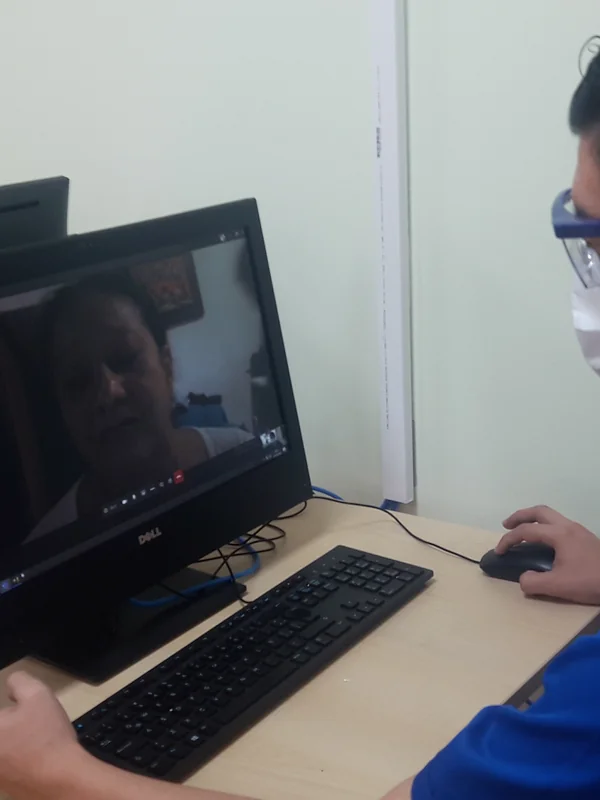
In the wake of the pandemic, many students living in shelters or overcrowded apartments are struggling to access online learning due to a lack of web-enabled devices. This situation has left thousands of children, like a 10-year-old girl eager to learn, feeling isolated and deprived of educational opportunities. The digital divide exacerbates existing inequalities, making it crucial for communities to address the technological needs of vulnerable students.