






























DailyTimeCapsule brief
March 17, 2020
On March 17, 2020, the world was grappling with the rapid spread of the Coronavirus, which had been declared a pandemic by the World Health Organization just days earlier. Countries began implementing strict measures to curb the virus's spread, leading to widespread lockdowns and remote work arrangements. The education sector faced significant challenges, as the pandemic exposed a digital divide, leaving many students without access to necessary technology for remote learning. Simultaneously, discussions emerged on various platforms about the innovative engineering of birds, highlighting their adaptive capabilities in response to environmental challenges. The juxtaposition of nature's design versus human technological struggles dominated conversations, as people sought both understanding and solutions to unprecedented issues.
Key developments
-
Explore the incredible engineering abilities of birds, focusing on their remarkable nesting techniques. The construction of a nest is often a chaotic assembly of materials, yet it showcases an impressive resilience and adaptability that humans are only beginning to appreciate. This event delves into the intricate designs and functionalities of nests, revealing insights into how these avian architects solve complex structural challenges with natural intelligence.
-
The surgical face mask, originally designed for medical staff to prevent the spread of infections during surgeries, evolved into a crucial public health tool during global crises, particularly the COVID-19 pandemic. These masks became emblematic not only of personal protection but also of collective responsibility and social solidarity, as communities rallied to support mask-wearing initiatives. The widespread use of face masks has prompted discussions about public health policy, individual rights, and cultural norms surrounding health and safety.
-
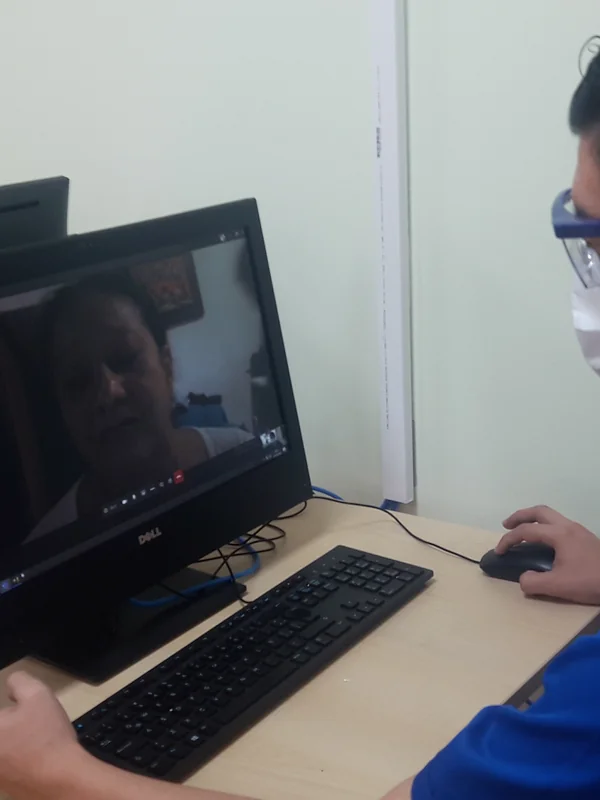
The outbreak of the coronavirus epidemic has significantly highlighted the disparities in educational access, particularly among rural students in China who often lack the necessary technology and internet connections for remote learning. As schools pivoted to online platforms to continue education, these students faced additional challenges, exacerbating existing inequalities. This situation raises critical questions about how countries worldwide will address similar gaps in digital infrastructure as the virus continues to spread.