


















DailyTimeCapsule brief
March 9, 2020
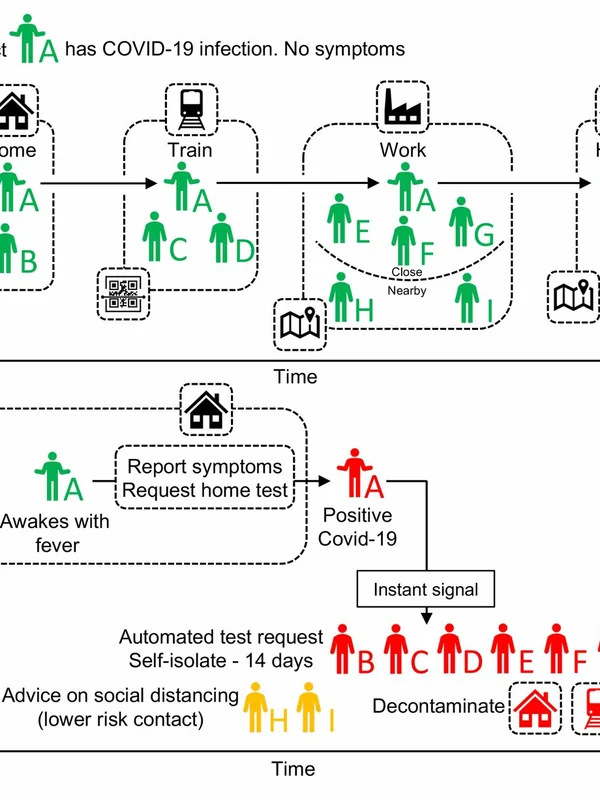
On March 9, 2020, the world was on high alert as the coronavirus outbreak began to escalate, particularly affecting vulnerable populations in China. The situation was compounded by the increasing scrutiny of the Chinese government's handling of the crisis, leading to questions about transparency and accountability. In the United States, political tensions were palpable as Bernie Sanders, a leading Democratic candidate, spoke about the media's role in shaping public perception during his campaign. At the same time, President Donald Trump's campaign was gaining momentum, effectively consolidating control over the Republican Party as the general election approached. Amidst these rising tensions, discussions surrounding the pandemic underscored the urgency for effective governance and individual responsibility in public health matters.
Key developments
-
In a candid critique of the media landscape, Senator Bernie Sanders argues that mainstream media often fails to report on issues of vital importance to the American public. He highlights a tendency for corporate interests to overshadow journalistic integrity, leading to biased reporting and a lack of accountability. Sanders’ perspective invites a broader discussion on the role of media in democracy and the necessity for responsible reporting that prioritizes public welfare over corporate agendas.
-
During the COVID-19 pandemic, cities like Wuhan implemented strict lockdowns that left many vulnerable populations, including seniors and disabled individuals, without essential support. These marginalized groups faced significant challenges as community resources dwindled, and they often struggled to access food, medical care, and social interaction. The crisis highlighted systemic inequalities in China's healthcare and social support systems, raising concerns about the well-being of those most at risk during public health emergencies.
-
In the 2016 election cycle, Donald Trump's campaign aggressively took control of the Republican National Committee's voter data and fundraising mechanisms, fundamentally altering the party's operational strategies. This unprecedented consolidation of power allowed Trump's team to not only enhance their voter outreach but also to profit directly from the party's resources, creating a model that blurred the lines between campaign and party infrastructure. As a result, traditional Republican structures were disrupted, leading to a new era of political strategy within the G.O.P.