






















DailyTimeCapsule brief
March 4, 2014
On March 4, 2014, significant geopolitical tensions arose as the United States prepared to impose sanctions on top Russian officials due to the escalating crisis in Crimea. This action was part of a broader response to Russia's military intervention in Crimea, which had begun just days prior, causing global concern over territorial integrity and the potential for conflict in Eastern Europe. Meanwhile, in the realm of media, the Federal Communications Commission (F.C.C.) levied a fine against a television network for airing a fictional disaster that was presented as real news, raising questions about media responsibility and ethical reporting. Additionally, individuals were engaged in legal battles, with some fighting banks to collect on judgments, reflecting ongoing challenges in the financial landscape amidst a recovering economy.
Key developments
-
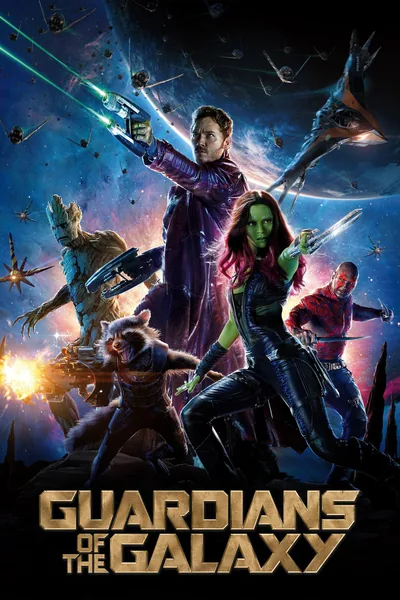
In a bold marketing campaign, Comcast, Viacom, and Disney created a fictional disaster scenario to lure audiences to their movies, but it inadvertently sparked real concern among viewers. The Federal Communications Commission (F.C.C.) intervened, resulting in hefty fines for the companies due to their misleading promotional tactics. This event raised important questions about the boundaries of advertising ethics and the responsibilities of media corporations in accurately representing content.
-
Maury Rosenberg faced involuntary bankruptcy due to actions taken by a subsidiary of U.S. Bancorp, which he claimed led to the demise of his business. A subsequent court ruling determined that the bankruptcy proceedings were illegal, but by that time, the damage had already been done and his business had been irreparably affected. This case highlights the complexities and potential injustices within the bankruptcy system and the significant impact such legal battles can have on individuals and entrepreneurs.
-
Top Russians Face Sanctions by U.S. for Crimea Crisis