




















DailyTimeCapsule brief
February 10, 2008
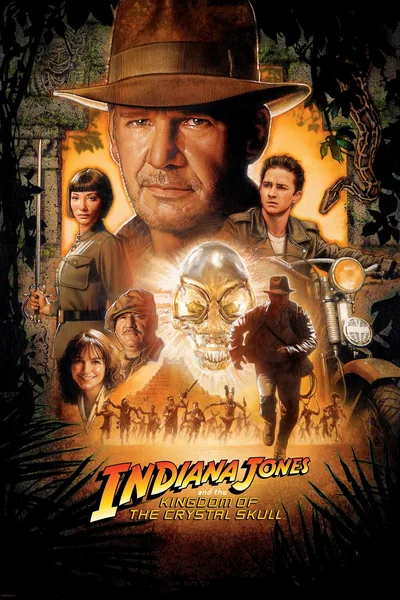
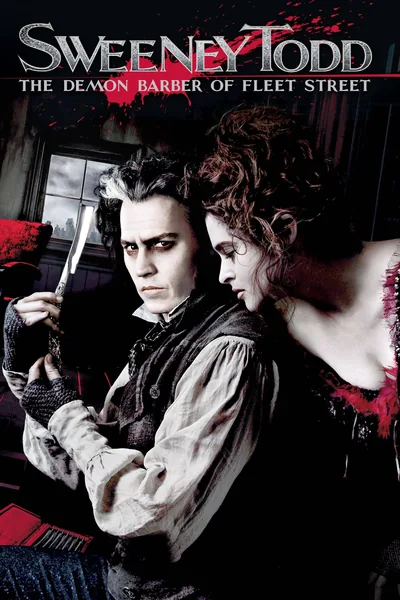
On February 10, 2008, the Writers Guild of America reached a tentative agreement with the Alliance of Motion Picture and Television Producers, signaling an end to a prolonged strike that had disrupted the entertainment industry for over 100 days. This resolution was critical for Hollywood, where numerous films and television shows faced delays and cancellations. As negotiations concluded, the impact was felt widely, as the strike had not only affected writers but also countless crew members and related businesses. Meanwhile, the political landscape was heating up ahead of the 2008 presidential election, with Democratic candidates Barack Obama and Hillary Clinton vying for the support of superdelegates, a pivotal group that could influence the nomination outcome. The competition between the two candidates was fierce, reflecting deep divisions in party support and strategy. In technology, Intel was spotlighted for its young talent as a finalist in a national science competition, showcasing the potential of the next generation in the tech industry. This day highlighted the intersections of cultural, political, and technological narratives in America.
Key developments
-
Writers have reached a tentative agreement with producers, marking a significant step towards resolving ongoing labor disputes in the entertainment industry. However, the strike is still active as the governing boards of the two writers' guilds must assess their members' sentiments regarding the proposed deal on both coasts. This assessment will ultimately determine the fate of the agreement and whether writers will choose to accept or reject it.
-
Ward Melville High School has recently made headlines by producing a semifinalist in the prestigious Intel Science Talent Search, a national competition that recognizes exceptional high school students in the field of science and technology. This achievement highlights the dedication and innovation present within the school's science program, where students are encouraged to explore and excel in scientific research. The Intel Science Talent Search is known for its rigorous selection process and has historically been a stepping stone for some of the brightest minds in STEM fields.
-
During the fiercely contested 2008 Democratic primary, the Clinton and Obama campaigns engaged in a strategic battle to win over superdelegates, influential party leaders and elected officials who could sway the nomination process. As both campaigns showcased their political ideologies and campaign viability, the superdelegate count became a pivotal focal point, often leading to intense lobbying efforts. The competition illustrated the complexities of the Democratic Party's nomination system, highlighting how superdelegates could ultimately tip the scales for the final nominee at the convention.


