






































DailyTimeCapsule brief
December 8, 2001
On December 8, 2001, significant geopolitical shifts were underway as Pakistan's government publicly announced the end of its aid to the Taliban, albeit hesitantly. This decision came in the aftermath of the September 11 attacks, as the U.S.-led coalition pressured Pakistan to abandon its support for the Taliban regime in Afghanistan. Meanwhile, in Middletown, a strike by teachers concluded without any agreement, highlighting ongoing tensions in educational policy and labor relations within the U.S. Additionally, the U.S. Trade Panel supported imposing heavy tariffs on imported steel to protect domestic industries amidst increasing competition from foreign markets. These events were part of a larger narrative of American response to global terrorism and economic challenges, reflecting a critical moment in U.S. foreign and domestic policy.
Key developments
-
In a complex turn of events, Pakistan's intelligence agency continued to facilitate the transfer of weapons and ammunition to the Taliban even after the Pakistani government publicly committed to ending its support for the group. This duality became evident as Pakistani border guards in the Khyber Pass allowed numerous convoy trucks to cross into Taliban-controlled regions multiple times in October. The hesitation to fully sever ties showcased the intricate political dynamics and security concerns influencing Pakistan's approach to the Afghan conflict.
-
A weeklong strike by the Middletown teachers' union concluded without reaching a contract agreement when teachers complied with a court's back-to-work order. Approximately 225 educators, secretaries, and other union members were involved in the strike, highlighting the tense negotiations over pay and working conditions. Despite their return to classrooms, the unresolved issues indicate ongoing dissatisfaction within the educational community regarding labor relations in New Jersey.
-
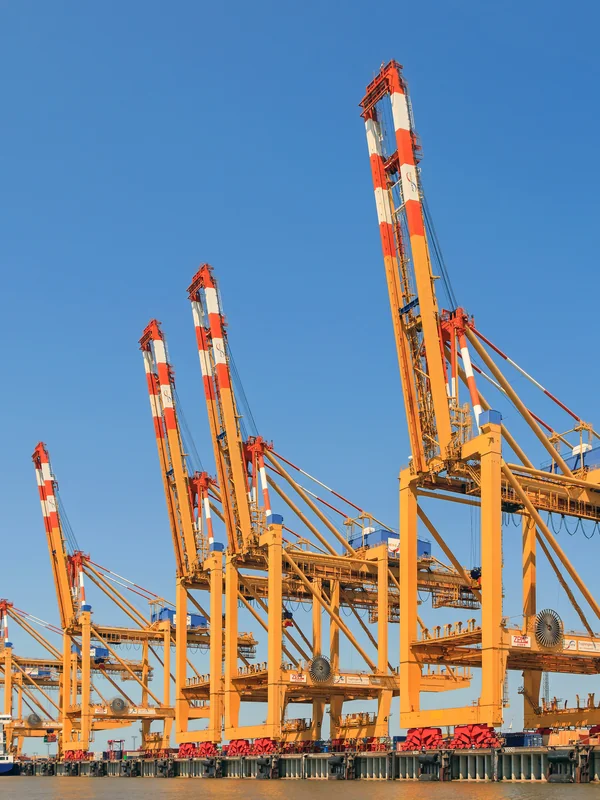
U.S. Trade Panel Backs Putting Hefty Duties on Imported Steel