





























Inventions & Breakthroughs of November 2001
Gadgets, lab surprises, odd bets, and future-shocks from this slice of the calendar.
1 
Portable Music Player (iPod)
2 
Wi-Fi Public Hotspots
3 
Online Encyclopedia (Wikipedia)
4 
3G Mobile Networks
5 
Cloud Computing Concept
6 
Digital Video Compression (H.264)
7 
Online Photo Sharing
8 
Instant Messaging Platforms
9 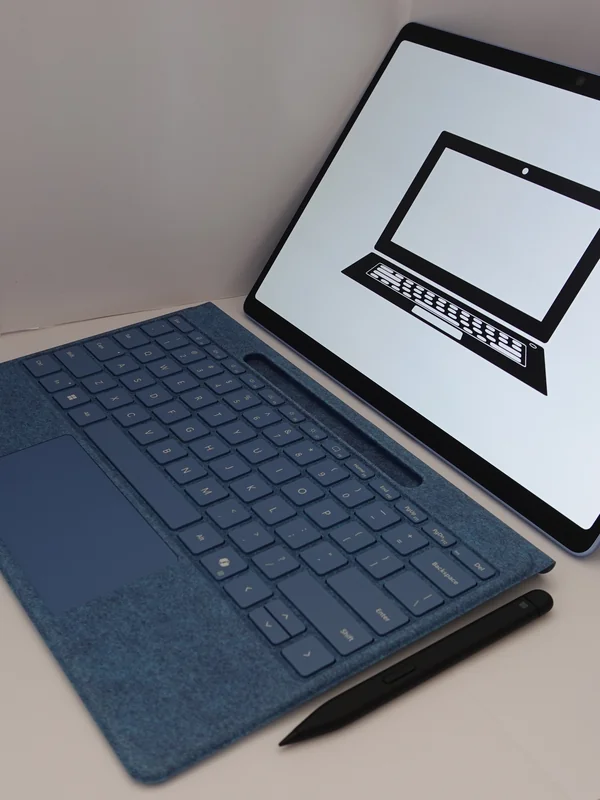
Tablet Computer Concept
10 
Satellite Broadband Internet
The Sounds of
Popular recordings and roots/country selections associated with the year
Wall Street Time Machine
The Right Call: If you'd invested $1,000 in any one of these companies in 2001, here's what the stored 2025 dataset estimates.
Rank #3
AAPL
Apple
Price in 2001
$0.22
2025 dataset value
$1,220,264
Apple - If you invested $1,000 in 2001, it would be worth $1,220,264 today (1220.3x return)
🦸 Top 5 Comics

Amazing Spider-Man #36
$200

Ultimate Spider-Man #1
$50

Batman: The Dark Knight Strikes Again #1
$50

Y: The Last Man #1
$150

American Gods #1
$25
🧸 Top 5 Toys

LEGO BIONICLE
$150.00

Nintendo Game Boy Advance
$540.00

Harry Potter Movie Merchandise (Action Figures)
$120.00

Bratz Dolls
$150.00

Yu-Gi-Oh! Trading Card Game
$100.00
🎮 Top 5 Video Games

Halo: Combat Evolved
$100.00

Grand Theft Auto III
$200.00

Super Smash Bros. Melee
$74.00

Final Fantasy X
$200.00

Metal Gear Solid 2: Sons of Liberty
$25.00
⚾ Top 5 Trading Cards

Yu-Gi-Oh! Legend of Blue Eyes White Dragon - 1st Edition Blue-Eyes White Dragon
$10,000

2001 Topps Chrome Traded #T247 Ichiro Suzuki Rookie Card
$471

2001 Upper Deck Tiger Woods #1 Rookie Card
$25,100

2001 Pokémon Neo Revelation 1st Edition Holo Houndoom #8
$1,200

2001 SP Authentic Michael Jordan #MM1 Auto Jersey
$40,000