









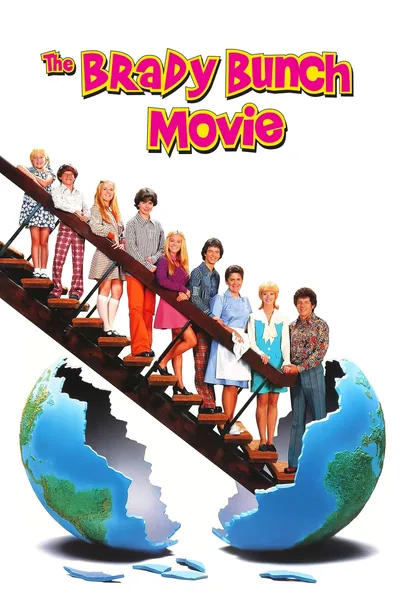


























DailyTimeCapsule brief
August 3, 1995
On August 3, 1492, Christopher Columbus set sail from Palos de la Frontera, Spain, marking the beginning of his first voyage to the Americas. This event would ultimately lead to the European exploration and colonization of the New World. In 1923, Calvin Coolidge was inaugurated as the 30th President of the United States following the death of Warren G. Harding, navigating the nation through the Roaring Twenties. Fast forward to 1960, when France conducted its first atomic bomb test in the Sahara Desert, solidifying its position in the nuclear arms race. Additionally, on this day in 1981, the Professional Air Traffic Controllers Organization (PATCO) went on strike, demanding better working conditions, which led to significant political and labor repercussions. Each of these events has had lasting impacts on world history, shaping political, social, and economic landscapes. August 3 serves as a reminder of how pivotal moments can alter the course of nations and cultures.