










DailyTimeCapsule brief
January 6, 1995
On January 6, 1995, the focus of real estate discussions centered on an East Side condominium that was rapidly filling up with tenants primarily renting rather than purchasing units. This trend highlighted the changing dynamics in urban living as individuals increasingly sought rental flexibility amidst economic uncertainty. At this time, the United States was experiencing a period of economic recovery following a recession in the early 1990s; however, many consumers were still hesitant to commit to long-term investments such as home buying. Concurrently, the entertainment landscape was evolving with new television comedies emerging and evolving public perceptions about hospital dramas, indicating a shift towards more sardonic humor in scripted television. The cultural fabric of America was being influenced by these developments as society sought both stability and leisure amidst ongoing changes in the economy and lifestyle preferences.
Key developments
-
Park Avenue Court, a 223-unit condominium located on the East Side of Manhattan, has experienced a significant increase in occupancy after struggling with high vacancy rates for over five years. Originally designed for ownership, the project has now seen a shift toward a rental model, with most residents choosing to rent rather than buy. This transformation reflects broader trends in the Manhattan housing market, where affordability continues to challenge prospective homeowners.
-
In a shocking incident that captivated public attention, a skilled con artist managed to fool a prominent lawyer and their family, leading to a series of bewildering events filled with deception and confusion. This impostor successfully integrated into their lives, displaying an affinity for manipulation that left even the most discerning individuals baffled. Ultimately, the farcical nature of the incident raised questions about trust, security, and the underlying vulnerabilities present in social relationships.
-
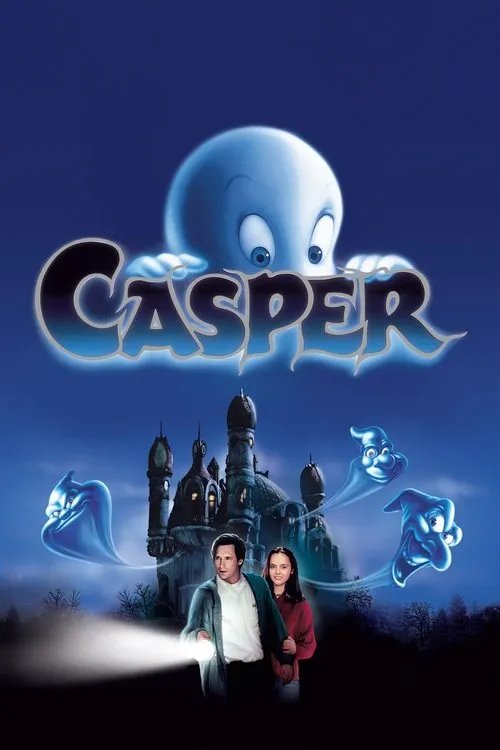
In a peculiar twist of fate, a hospital in Copenhagen became the setting for a series of bizarre and humorous ghostly occurrences, blending sardonic wit with medical mishaps. The event, characterized by its far-fetched scenarios, showcased the absurdity of hospital life through encounters with spectral figures that left both staff and patients bewildered. This dark comedy not only entertained but also prompted discussions on the intersection of humor and mortality, making it a noteworthy point in the city's cultural history.