





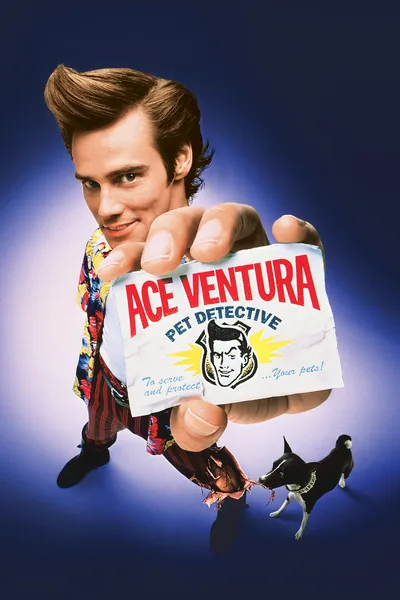








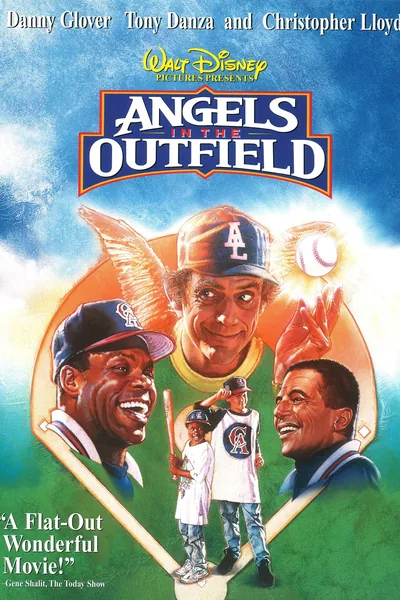
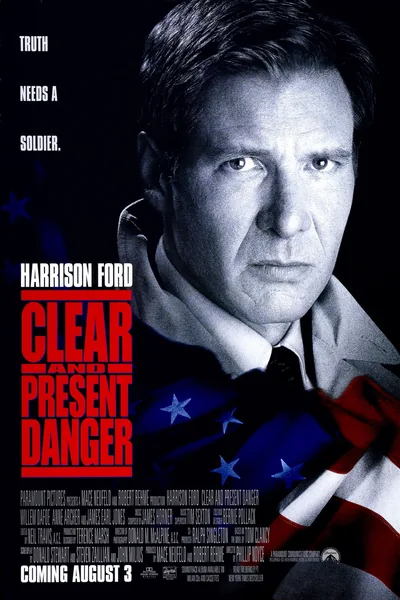
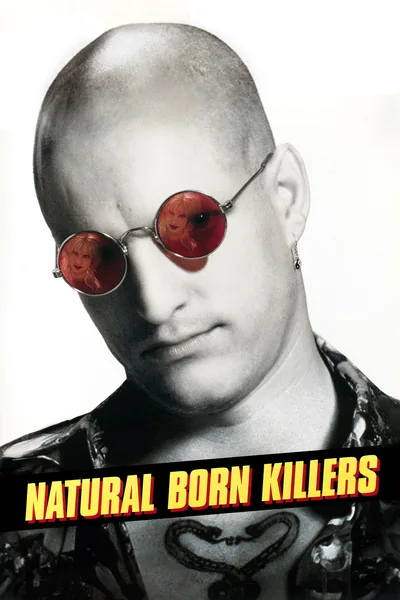
















🧠 Inventions of 1994
Breakthroughs and everyday innovations from the year.
1 
E-Commerce Platform
2 
Secure Sockets Layer (SSL)
3 
Search Engine (Yahoo)
4 
Digital Mobile Phone Expansion
5 
Web Advertising Banner
6 
Online Multiplayer Gaming
7 
Personal Digital Assistant (PDA)
8 
Internet Radio
9 
Voice over IP Concept
10 
Medical Telemedicine Systems
The Sounds of
The biggest hits of the year — Top 10 Pop & Country chart toppers
Wall Street Time Machine
The Right Call: If you'd invested $1,000 in any one of these companies in 1994, here's what it would be worth in 2025.
Rank #2
ORCL
Oracle
Price in 1994
$1.13
Value in 2025
$159,565
Oracle - If you invested $1,000 in 1994, it would be worth $159,565 today (159.6x return)
🦸 Top 5 Comics

Spawn #26
$29.00

The Sandman #57
$150

Preacher #1
$150

X-Men #30
$250

Bone #10
$1,000
🧸 Top 5 Toys

Power Rangers Action Figures
$150.00

Pogs
$50.00

LEGO Ice Planet 2002
$150.00

VR Troopers Toys
$50.00

Easy-Bake Oven (Reissue)
$75.00
🎮 Top 5 Video Games

Donkey Kong Country
$180.00
Final Fantasy VI
$250.00
Sonic the Hedgehog 3
$39.50
System Shock
$100.00
Earthworm Jim
$150.00
⚾ Top 5 Trading Cards

Michael Jordan #1 (Star '84 Tribute)
$75,000

Magic: The Gathering 'Winter Orb'
$300

Shaquille O'Neal #32 (USA Basketball)
$250,000

Ken Griffey Jr. 'Griffey' #72 (Topps Stadium Club)
$1,272

Jace, the Mind Sculptor
$500,000