












































DailyTimeCapsule brief
December 6, 1992
On December 6, 1992, significant developments emerged in the political and infrastructural landscape of the United States. Local state governments were actively considering plans to build new power plants, reflecting the growing demand for energy and the need to modernize the country's infrastructure. At the same time, transportation funds were being allocated, presenting an opportunity for states to improve their road systems and public transportation networks. This need for infrastructural development came amidst a backdrop of economic uncertainty, as various sectors were feeling the pressures of the early 1990s recession. Globally, the world was witnessing significant events, such as the aftermath of the Cold War and the ongoing transformations in Eastern Europe. Issues like medical bills were also becoming a pressing concern for citizens, prompting discussions on personal healthcare management and accountability.
Key developments
-
The New York Power Authority recently presented plans for a 150-megawatt natural-gas power plant during a public meeting at Sachem High School, attended by 300 community members. The proposed facility aims to provide cleaner energy options and enhance the local power supply, reflecting a commitment to modernize energy infrastructure. As discussions progress, stakeholders are weighing the ecological and economic implications of such a significant development in Holtsville.
-
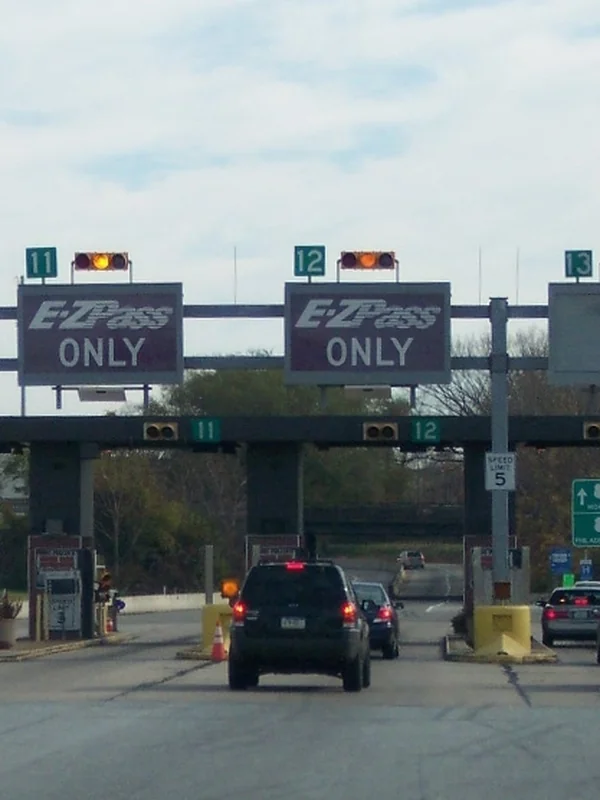
In Albany, a fierce debate is underway regarding the allocation of approximately $20 billion in transportation funds for the upcoming five years. These funds have major implications for the maintenance and improvement of Long Island's roadways, which directly impact commuters' daily expenses and travel experience. Governor Mario M. Cuomo is advocating for freezing fares on the Long Island Rail Road, aiming to ease the financial burden on commuters while navigating the funding crisis.
-
Understanding your medical bills is crucial in navigating the complexities of healthcare expenses. By meticulously reviewing each bill and the corresponding explanation of benefits (E.O.B) from your insurance provider, you can spot potential errors and avoid unnecessary charges. Taking the time to ask questions and clarify discrepancies can lead to significant savings on your healthcare costs.