









































DailyTimeCapsule brief
December 4, 1992
On December 4, 1992, the film 'Mr. Murphy Goes to Washington' was reviewed, drawing attention to the political satire genre during a significant presidential transition period in the United States. Bill Clinton had been elected president just weeks prior, signaling a shift towards more liberal policies after twelve years of Republican leadership. In the housing sector, a notable trend emerged as affordable homes began to rise on vacant lots, reflecting ongoing efforts to address the housing crisis facing many American families. This period was marked by a growing emphasis on urban revitalization and community development initiatives, aiming to provide more equitable access to housing in cities nationwide. As the nation grappled with these changing dynamics, the cultural landscape was also evolving, with films and media often reflecting the political and social challenges of the time.
Key developments
-
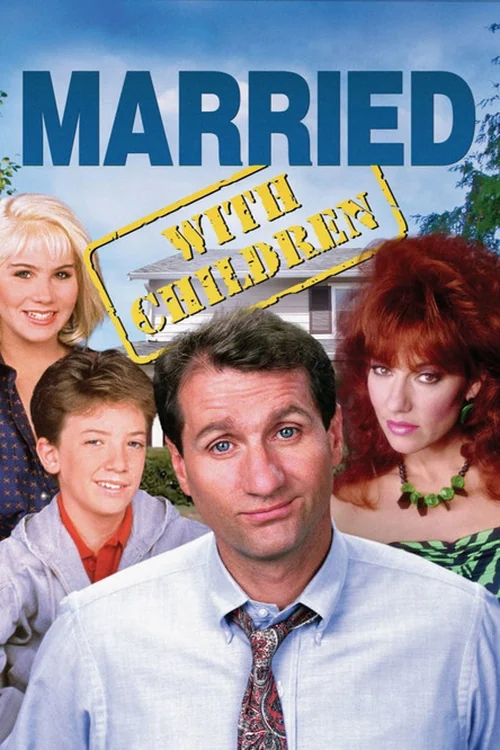
The film 'Mr. Murphy Goes to Washington' follows the humorous misadventures of an average American who stumbles into the complexities of political life in Washington, D.C. With a light-hearted tone, the story critiques political processes while also highlighting the everyday citizen's ability to make a difference. The movie's charm lies in its ability to blend humor with a relevant message about civic engagement and responsibility.
-
A local development company has successfully completed an affordable two-family housing project in Yonkers, setting a precedent for similar initiatives. Venturing across the Hudson River, they are now transforming vacant lots in Orange, N.J., into clusters of affordable homes to address the housing crisis. This project aims to revitalize neighborhoods and provide sustainable living options for families in need.