


















































DailyTimeCapsule brief
November 25, 1992
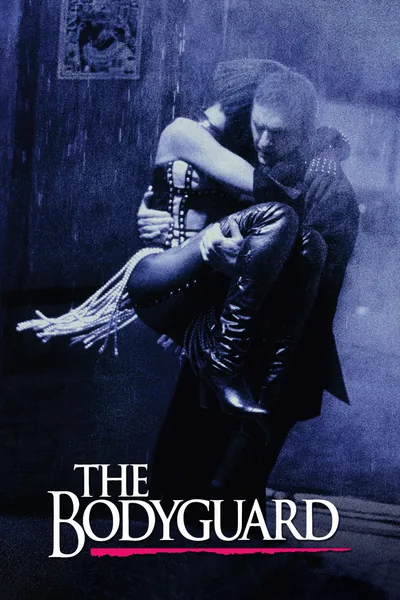
On November 25, 1992, a significant turning point occurred as the United States officially closed its military bases in the Philippines, ending nearly a century of American military presence in the region. This decision was part of a broader shift in U.S. foreign policy following the end of the Cold War, reflecting changing global dynamics and local sentiments. Concurrently, a retail war was escalating north of Atlanta as local businesses vied for dominance in a competitive real estate market, indicative of the economic growth and consumerism of the early 1990s. Amid these developments, the film 'The Bodyguard,' featuring Whitney Houston and Kevin Costner, was generating attention, showcasing the cultural landscape of the time, blending entertainment with themes of love and risk.
Key developments
-
A fierce competition for tenants and shoppers has ignited significant investment from national developers in the shopping centers north of downtown Atlanta. This surge is primarily driven by the emergence of new retail spaces and the strategic repositioning of existing malls. As industry experts highlight, this 'battle of malls' reflects a broader trend in consumer habits and retail market dynamics in the region.
-
The historical departure of the last U.S. Marines from the Philippines marks the conclusion of a military presence that lasted nearly 100 years, beginning in the aftermath of the Spanish-American War. This event, characterized by a mixture of nostalgia and hope, was underscored by emotional farewells and patriotic music, symbolizing both the end of an era and the transition of the Philippines to a fully sovereign nation. The closure of these bases has significant implications for U.S.-Philippine relations and the geopolitical landscape of Southeast Asia.
-
Review/Film: The Bodyguard; Tragic Flaw Meets Pampered Pop Star Over Multiple Risks