






































Inventions & Breakthroughs of September 1992
Gadgets, lab surprises, odd bets, and future-shocks from this slice of the calendar.
1 
Smartphone Concept
2 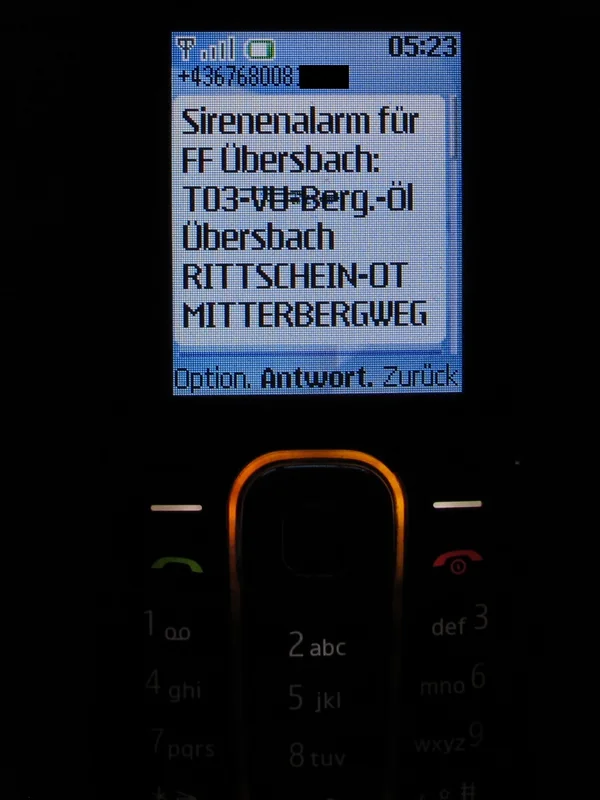
Short Message Service (SMS)
3 
Digital Video Disc Concept
4 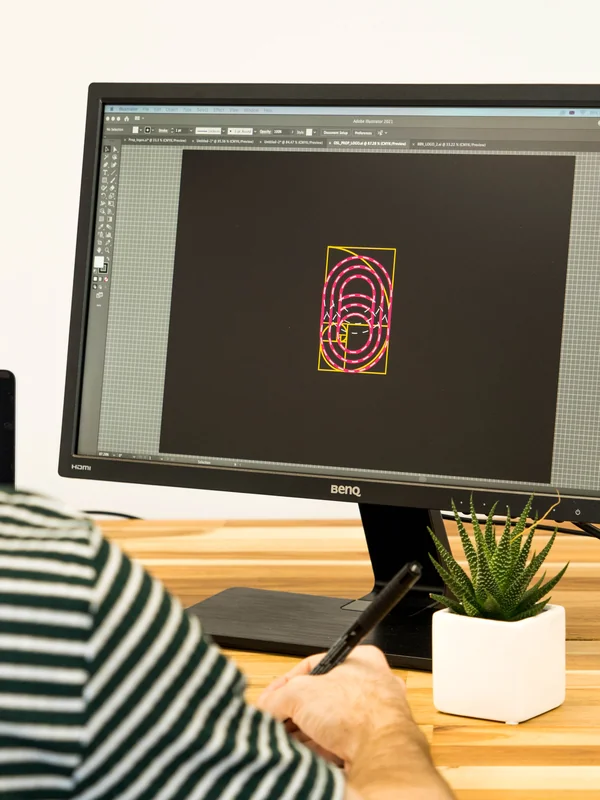
Portable GPS Receiver Commercialization
5 
Digital Video Editing Software
6 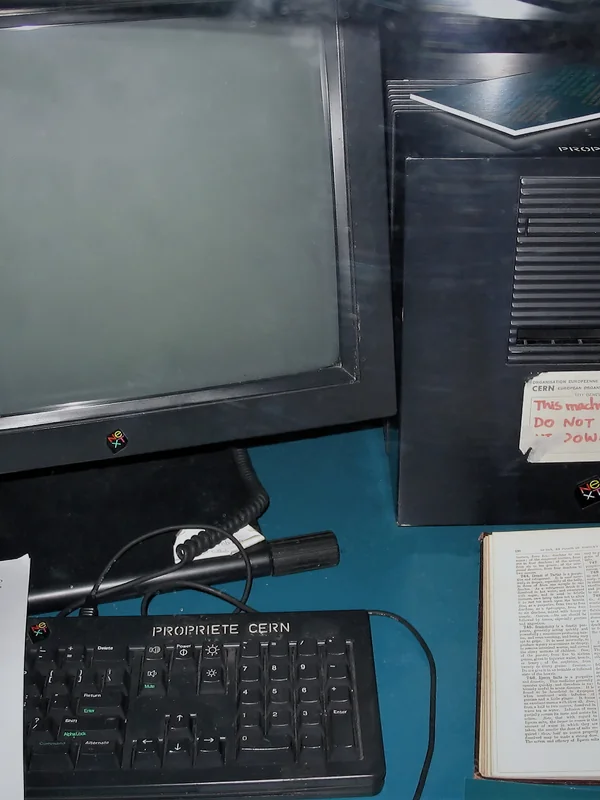
Web Server Software
7 
Computer-Aided Drug Discovery
8 
Flat Panel Display Improvements
9 
Email Client Software
10 
Electronic Toll Collection
The Sounds of
Popular recordings and roots/country selections associated with the year
🦸 Top 5 Comics
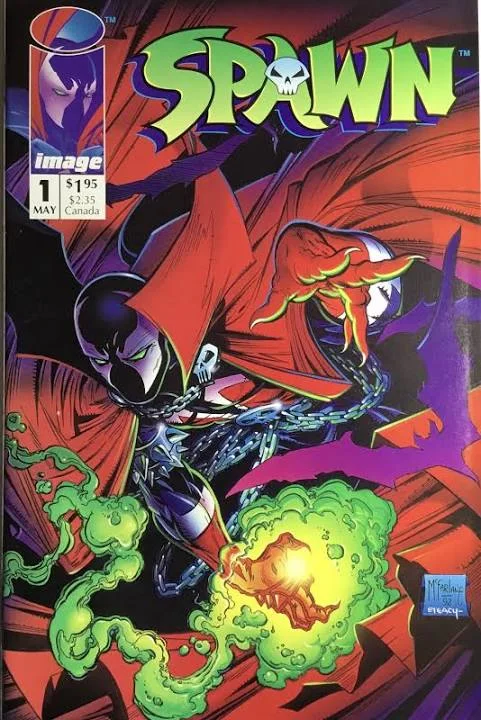
Spawn #1
$60

The Death of Superman #75
$30
Youngblood #1
$15
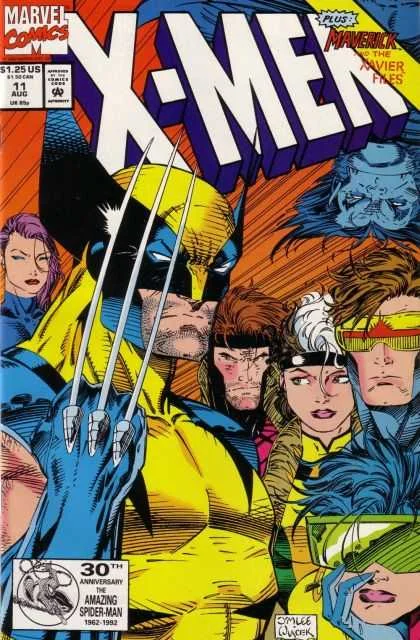
X-Men #11
$59.00

Batman: Shadow of the Bat #1
$18.00
🧸 Top 5 Toys
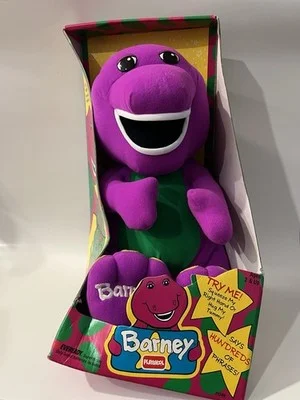
Barney the Dinosaur Plush
$150.00
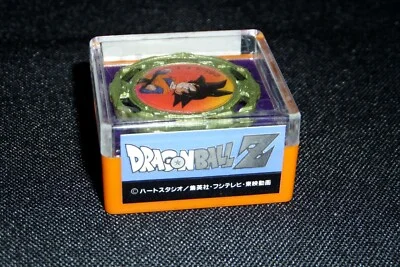
Spin Fighter
$150.00

Super Soaker 100
$700.00
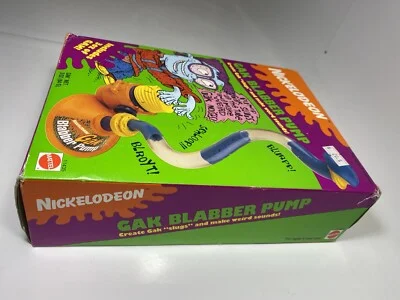
Nickelodeon Gak
$75.00

Teenage Mutant Ninja Turtles Action Figures
$150.00
🎮 Top 5 Video Games

Wolfenstein 3D
$17.56

Street Fighter II: The World Warrior
$200.00
Sonic the Hedgehog 2
$39.50
Mortal Kombat
$200.00
Super Mario Kart
$4,984.28
⚾ Top 5 Trading Cards

1992 Shaquille O'Neal Upper Deck Rookie Card #1
$250

1992 Derek Jeter Front Row Draft Picks Card
$500

1992 Magic: The Gathering Alpha Black Lotus
$500,000
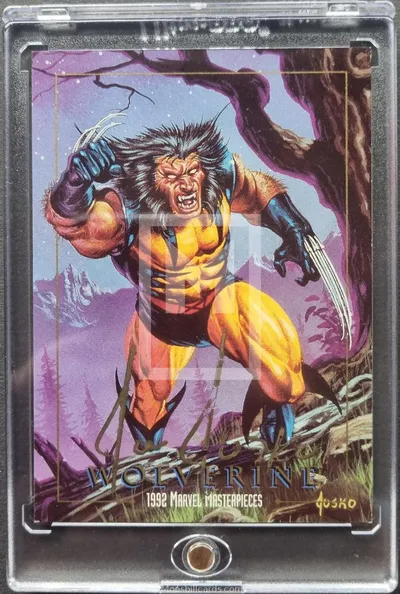
1992 Marvel Masterpieces - Wolverine Card
$610

1992 Fleer Ultra Michael Jordan Card #27
$1,781