




















DailyTimeCapsule brief
November 1, 1991
On November 1, 1991, the world was witnessing significant cultural shifts as the Cold War was coming to a close, and the United States was experiencing economic recovery post-recession. This day saw film reviews highlighting various cinematic works. Notably, 'Portrait of Frank and the Other Pesces' and 'A Journalist, His Novel And Trouble In 70's Rome' received attention from critics, reflecting an ever-evolving landscape in film and storytelling. The 1990s were marked by a surge in independent cinema, a trend that began to emerge in the late 1980s and would define the decade. Meanwhile, the global political climate was shifting towards a more open and democratic future, particularly in Eastern Europe, following the dissolution of the Soviet Union. This period was pivotal in shaping international relations and cultural exchanges across borders.
Key developments
-
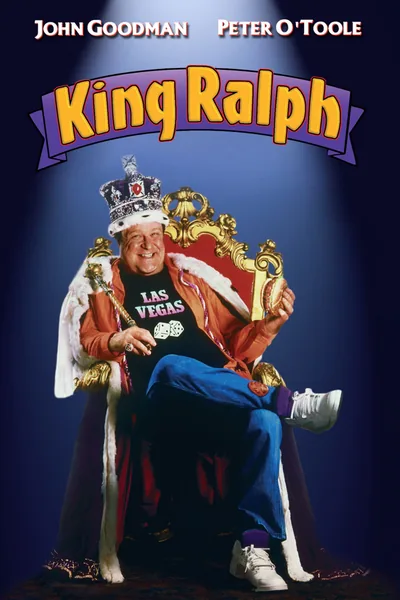
A Queens man, whose ordinary life took a remarkable turn, won a staggering 6 million in the lottery, forever changing his family's dynamics. This film provides a warm and humorous glimpse into the Pesce family's life, marked by charming storytelling reminiscent of O. Henry's twist endings. With moments of joy and a sprinkle of irony, it showcases how unexpected fortune can reveal both the strengths and vulnerabilities of familial bonds.
-
The film explores the turbulent backdrop of 1970s Rome, where a journalist finds himself entangled in a web of political intrigue and danger. Directed by John Frankenheimer, the movie captures the chaotic energy of the era while delivering a brisk narrative filled with suspense. Despite some miscasting, the film remains a vibrant portrayal of the challenges faced by those who dare to speak truth to power.
-
This event reviews a film inspired by Akira Kurosawa's classic 'Rashomon,' exploring themes of memory and perception through a chaotic narrative structure. Set in a Pennsylvania steel town, the plot revolves around a mysterious altercation involving a Japanese investor, unfolding through a series of disorienting flashbacks that challenge the viewer's understanding of truth. The film's looney and surreal style gives a unique twist to the original story, making it a noteworthy take on storytelling and the reliability of memory.