





























DailyTimeCapsule brief
June 1, 1991
On June 1, 1991, the film industry was buzzing with discussions on marketing strategies, particularly with a review titled 'How to Use a Murderer To Increase Book Sales.' This highlighted the increasing intersection of crime narratives and commercial strategies in Hollywood, a trend that would influence media for decades. Meanwhile, the entertainment legal scene saw a notable shift as a Hollywood lawyer was appointed to the presidency of Pathé Studio, signaling changing dynamics in studio leadership. The early 1990s were characterized by a cultural shift with the end of the Cold War and the rise of new media, laying the groundwork for the digital age. As the Soviet Union was dissolving, Americans were increasingly focused on domestic issues, including a sluggish economy and rising concerns over crime and social values, which were often reflected in the films and television shows of the time.
Key developments
-
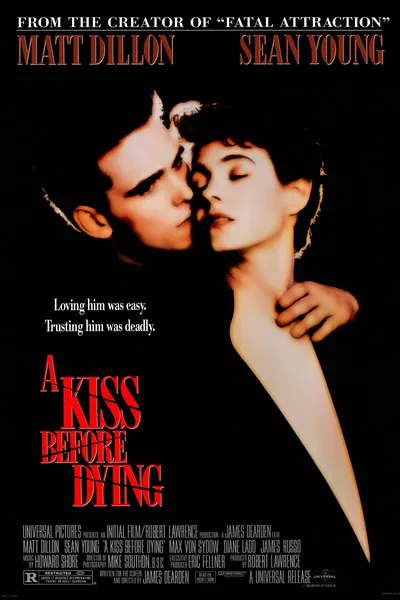
In a twist of fate, a budding novelist finds himself entwined in a psychological game with a murderer who works at his bookstore. As the author strives to pen a captivating novel, he uses the murderer’s chilling insights to craft a gripping narrative that blurs the lines between reality and fiction. This chilling relationship raises deeper questions about morality, creativity, and the lengths one will go to elevate their art through dark means.
-
Charles R. Meeker, known for his work in the entertainment industry, has been appointed president of MGM-Pathe Communications Company, marking a significant transition in leadership within the studio. Meeker co-produced notable films such as 'Wired' and 'The Golden Child', bringing his extensive legal expertise to his new role. This appointment reflects a growing trend of integrating legal professionals into executive positions within film studios to navigate the complexities of the entertainment business.