
























Inventions & Breakthroughs of May 1990
Gadgets, lab surprises, odd bets, and future-shocks from this slice of the calendar.
1 
World Wide Web Prototype
2 
Digital Cellular GSM Standard
3 
Photoshop Software
4 
Human Genome Project Launch
5 
Digital Audio Compression (MP3)
6 
Satellite Navigation Civil Expansion
7 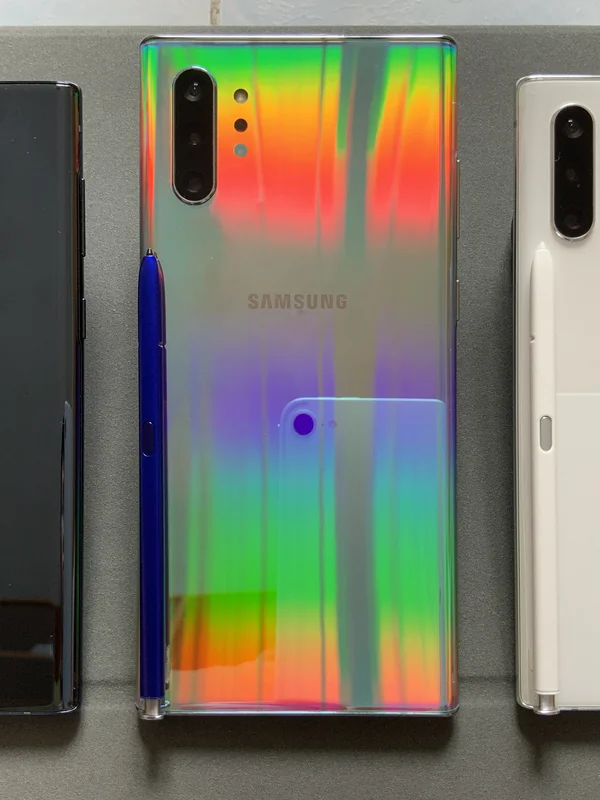
Pen-Based Computing Concept
8 
Electronic Whiteboard
9 
Medical Laparoscopic Surgery Tools
10 
Virtual Reality Headset Prototype
The Sounds of
Popular recordings and roots/country selections associated with the year
Wall Street Time Machine
The Right Call: If you'd invested $1,000 in any one of these companies in 1990, here's what the stored 2025 dataset estimates.
Rank #1
MSFT
Microsoft
Price in 1990
$0.38
2025 dataset value
$1,285,532
Microsoft - If you invested $1,000 in 1990, it would be worth $1,285,532 today (1285.5x return)
Rank #2
AAPL
Apple
Price in 1990
$0.26
2025 dataset value
$1,043,076
Apple - If you invested $1,000 in 1990, it would be worth $1,043,076 today (1043.1x return)
🦸 Top 5 Comics

New Mutants #98
$300

Spider-Man #1
$10,000

X-Men #266
$150

Harbinger #1
$100

Detective Comics #622
$150
🧸 Top 5 Toys

Teenage Mutant Ninja Turtles Action Figures
$150.00

Super Nintendo Entertainment System (SNES)
$250.00

Polly Pocket
$150.00

Pound Puppies
$75.00

Micro Machines
$300.00
🎮 Top 5 Video Games

Super Mario World
$579.99
Final Fantasy III (Final Fantasy VI in Japan)
$200.00
Mega Man 3
$200.00

The Secret of Monkey Island
$300.00
Dr. Mario
$254.95
⚾ Top 5 Trading Cards

1990 Topps Frank Thomas No Name on Front
$250,000

1990 Upper Deck Ken Griffey Jr. #156
$25,000

1990 Fleer Jose Uribe #74
$50

1990 Leaf Frank Thomas #300
$8,000

1990 O-Pee-Chee Premier Jaromir Jagr #50
$1,200