











































DailyTimeCapsule brief
October 28, 1989
On October 28, 1989, the film industry was buzzing with two notable reviews that highlighted the complexities of human nature through different lenses. One review focused on a Viking antihero, celebrating his quest driven by idealism, while the other explored a mix of horror and psychological themes rooted in Freudian concepts. These films reflect the cultural milieu of the late 1980s, a time when audiences were increasingly drawn to narratives that challenged traditional values and presented multifaceted characters. Meanwhile, globally, the political landscape was shifting as Eastern Europe was witnessing significant changes, with the fall of the Berlin Wall just weeks away, heralding the end of the Cold War. The world was on the brink of monumental shifts, influencing both domestic and international policies in the United States and beyond, as new ideas about freedom and governance emerged in Eastern Europe.
Key developments
-
This event reviews a unique film that portrays a Viking antihero navigating his way through chaos while embodying a sense of idealism. The comedic style is reminiscent of the beloved Monty Python series, offering a mix of humor and satire that keeps the audience entertained throughout. Critics have noted the film's ability to balance action with thoughtful commentary on the nature of heroism in a historical context.
-
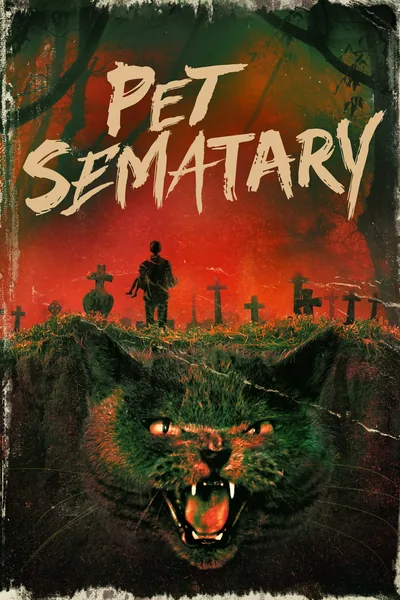
This film review explores a provocative work that intertwines elements of horror with psychological analysis, particularly the theories of Sigmund Freud regarding human behavior and mortality. The narrative follows a mass killer who finds solace and stimulation through the bleak imagery of television sets, using a remote control as both a literal and metaphorical tool for his coping mechanism. Critics have noted the film's unsettling combination of graphic violence with deep psychological insights, prompting discussions about the impact of media on mental health.