

















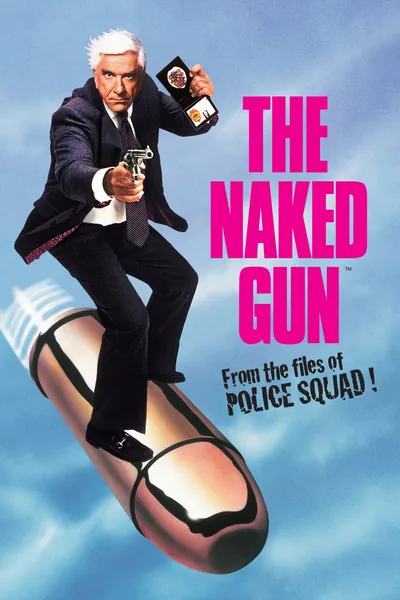










Inventions & Breakthroughs of April 1989
Gadgets, lab surprises, odd bets, and future-shocks from this slice of the calendar.
1 
World Wide Web Concept
2 
Portable Digital Assistant Concept
3 
Flash Memory
4 
Digital Mobile Phone Networks
5 
Medical Robotic Surgery Concept
6 
High-Definition Television (HDTV)
7 
Computer-Aided Geographic Information Systems
8 
Electronic Music Workstation
9 
Satellite Internet Concept
10 
Reusable Rocket Booster Studies
The Sounds of
Popular recordings and roots/country selections associated with the year
Wall Street Time Machine
The Right Call: If you'd invested $1,000 in any one of these companies in 1989, here's what the stored 2025 dataset estimates.
Rank #1
AAPL
Apple
Price in 1989
$0.28
2025 dataset value
$971,793
Apple - If you invested $1,000 in 1989, it would be worth $971,793 today (971.8x return)
Rank #2
MSFT
Microsoft
Price in 1989
$0.23
2025 dataset value
$2,127,569
Microsoft - If you invested $1,000 in 1989, it would be worth $2,127,569 today (2127.6x return)
🦸 Top 5 Comics

The Sandman #1
$300

Batman: Legends of the Dark Knight #1
$35.00

The New Warriors #1
$50

Amazing Spider-Man #316
$30

The Punisher War Journal #7
$40
🧸 Top 5 Toys
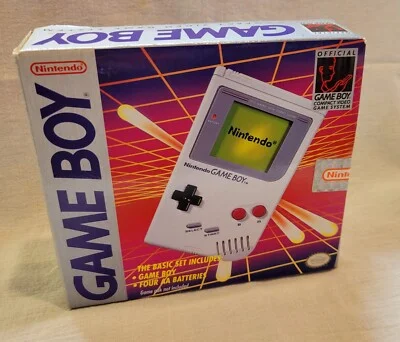
Game Boy
$540.00
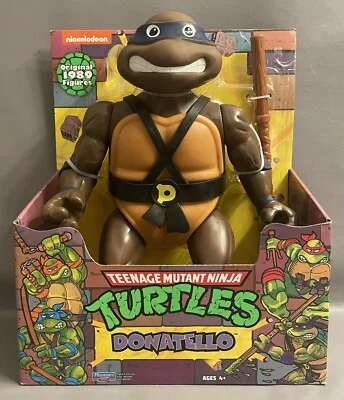
Teenage Mutant Ninja Turtles Action Figures
$300.00
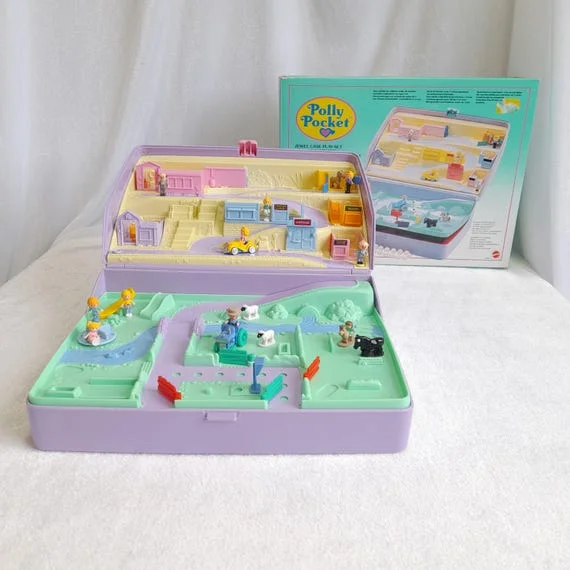
Polly Pocket
$150.00

Nintendo Entertainment System (NES)
$300.00

Ghostbusters Proton Pack
$300.00
🎮 Top 5 Video Games

Tetris
$200.00
SimCity
$10.77

Prince of Persia
$150.00
Castlevania III: Dracula's Curse
$781.00

Golden Axe
$200.00
⚾ Top 5 Trading Cards
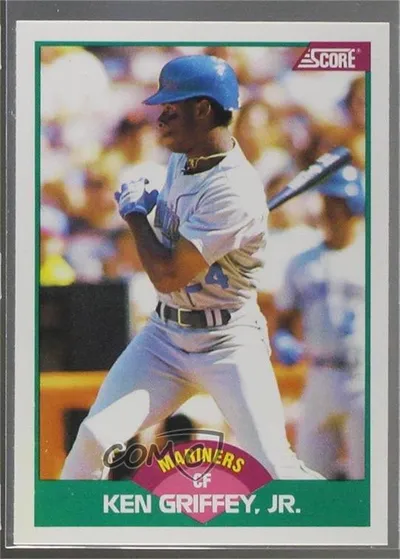
Ken Griffey Jr. Rookie Card
$2,726

Michael Jordan Hoops Card
$250,000
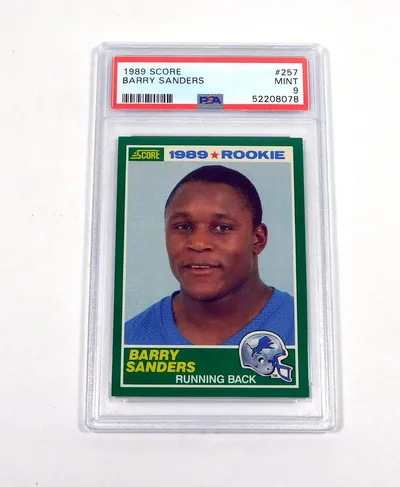
Barry Sanders Rookie Card
$6,000

Randy Johnson Rookie Card (Marlboro Ad)
$70.00

John Stockton Hoops Rookie Card
$500