













DailyTimeCapsule brief
January 8, 1989
On January 8, 1989, church groups across America announced plans to construct houses for the homeless, addressing a growing crisis in urban areas. This initiative came at a time when cities were grappling with increasing numbers of individuals living without shelter, particularly in the wake of economic challenges throughout the 1980s. Concurrently, various environmental groups were advocating for alternatives to incinerators, as concerns over pollution and waste management became pressing issues. The day also saw a public exhibition of artwork that showcased private zeal, reflecting the cultural movements that placed individual expression at the forefront. Globally, the Cold War was nearing its conclusion, with significant political movements emerging in Eastern Europe, hinting at the transformative changes to come in the following months.
Key developments
-
In response to the increasing number of homeless individuals in the county, religious organizations are shifting their focus from temporary aid to long-term solutions. These groups, known for their services like soup kitchens and counseling, are now advocating for the development of affordable housing units. Their initiative aims to address the root causes of homelessness, encompassing a model that combines shelter with ongoing support and community integration.
-
A new bill has been introduced in New Jersey aiming to halt the construction of garbage-burning incinerators. The proposed moratorium seeks to pause the issuance of permits for these facilities in response to growing environmental concerns and community opposition. Advocates are now exploring alternative waste management solutions that prioritize recycling and composting over incineration.
-
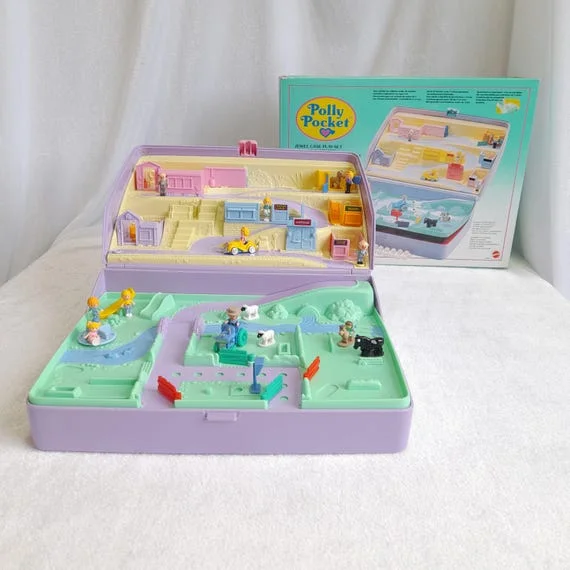
The event, 'Private Zeal on Public Display', explores the intrinsic human desire to collect and showcase treasured items. It highlights how personal collections, whether as a hobby or a serious pursuit, contribute to cultural enrichment when exhibited in museums. Through curated displays, visitors can appreciate the stories these objects tell and understand the motivations behind their collectors.