



























DailyTimeCapsule brief
July 3, 1985
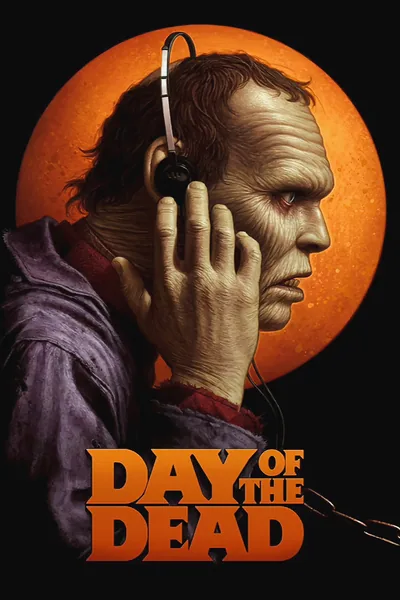
On July 3, 1985, the film 'Day of the Dead' premiered, captivating horror enthusiasts with its chilling exploration of a post-apocalyptic world overrun by zombies. This film, directed by George A. Romero, was the third installment of his acclaimed Living Dead series, which had already established a cult following in American cinema. In the broader context, the summer of 1985 was a time of significant cultural shifts in America as the country navigated the complexities of the Cold War, economic recovery, and evolving entertainment trends. Meanwhile, the real estate market was experiencing noteworthy growth, particularly in areas like Great Neck, New York, where office space was expanding to accommodate a burgeoning economy and business sector. This period marked a dynamic era in American life, bridging traditional values with the burgeoning influence of pop culture. The world was also gearing up for celebrations of Independence Day as American citizens prepared to commemorate their freedoms and reflect on the values that underpin the nation.
Key developments
-
Released in 1985, 'Day of the Dead' is the third film in George A. Romero's iconic zombie series. Set in a military bunker in Florida, the film explores the tension between scientists attempting to find a cure for the undead and the soldiers tasked with protecting them from the zombie outbreak. This horror classic delves into themes of survival, morality, and the human condition amidst a backdrop of chaos and desperation.
-
In the iconic film 'Back to the Future,' Marty McFly accidentally travels back to 1955, where he must navigate the challenges of a conservative society with his modern 1980s perspective. Caught in a time paradox, Marty inadvertently disrupts his parents' meeting, threatening his own existence. To restore the timeline, he enlists the help of the eccentric inventor Doc Brown, leading to a series of comedic and thrilling escapades.
-
In 1962, Paul P. Schmergel faced rejection from New York City banks while seeking financing for an office building in Great Neck, highlighting initial reluctance toward suburban development. Despite these obstacles, Schmergel persevered, marking the beginning of significant office growth in the area. This growth mirrored a broader trend of suburbanization during that era, as businesses began to migrate away from urban centers to capitalize on expanding commuter populations.