




















Inventions & Breakthroughs of February 1985
Gadgets, lab surprises, odd bets, and future-shocks from this slice of the calendar.
1 
Windows Operating System
2 
CD-ROM Drive
3 
Genetic Engineering Tool (PCR)
4 
Mobile Laptop Computer
5 
Digital Cellular Network
6 
Automated Manufacturing Cells
7 
Home Video Camcorder
8 
Medical Laser Lithotripsy
9 
Computer Animation Software
10 
Electronic Music Sampling Keyboard
The Sounds of
Popular recordings and roots/country selections associated with the year
Wall Street Time Machine
The Right Call: If you'd invested $1,000 in any one of these companies in 1985, here's what the stored 2025 dataset estimates.
Rank #1
JNJ
Johnson & Johnson
Price in 1985
$0.84
2025 dataset value
$246,803
Johnson & Johnson - If you invested $1,000 in 1985, it would be worth $246,803 today (246.8x return)
Rank #2
MCD
McDonald's
Price in 1985
$1.32
2025 dataset value
$242,284
McDonald's - If you invested $1,000 in 1985, it would be worth $242,284 today (242.3x return)
Rank #3
AAPL
Apple
Price in 1985
$0.10
2025 dataset value
$2,853,286
Apple - If you invested $1,000 in 1985, it would be worth $2,853,286 today (2853.3x return)
🦸 Top 5 Comics

Crisis on Infinite Earths #1
$50
The Dark Knight Returns #1
$50

Secret Wars #8
$150

Albedo Anthropomorphics #2
$300

Love and Rockets #1
$250
🧸 Top 5 Toys

Teddy Ruxpin
$300.00

Care Bears Plush
$250.00

M.A.S.K. (Mobile Armored Strike Kommand)
$250.00

My Buddy Doll
$700.00

Super Powers Collection
$300.00
🎮 Top 5 Video Games

Super Mario Bros.
$1,000.00

Duck Hunt
$275.00
Excitebike
$50.00
Choplifter
$80.00
Gauntlet
$50.00
⚾ Top 5 Trading Cards

1985 Nike Promo Michael Jordan Rookie Card
$18,000

1985 Topps Mark McGwire USA Baseball Rookie Card #401
$2,000

1985 Garbage Pail Kids Adam Bomb #8a
$189.95
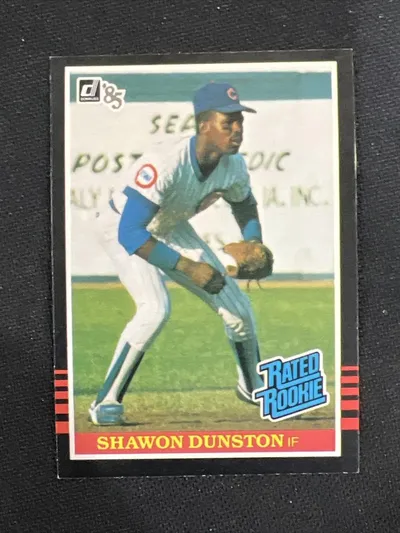
1985 Donruss Shawon Dunston Rated Rookie #43
$150

1985 Star Michael Jordan Rookie Card #101
$480,000