












































Inventions & Breakthroughs of July 1984
Gadgets, lab surprises, odd bets, and future-shocks from this slice of the calendar.
1 
Graphical User Interface Computer (Macintosh)
2 
Inkjet Printer (Consumer)
3 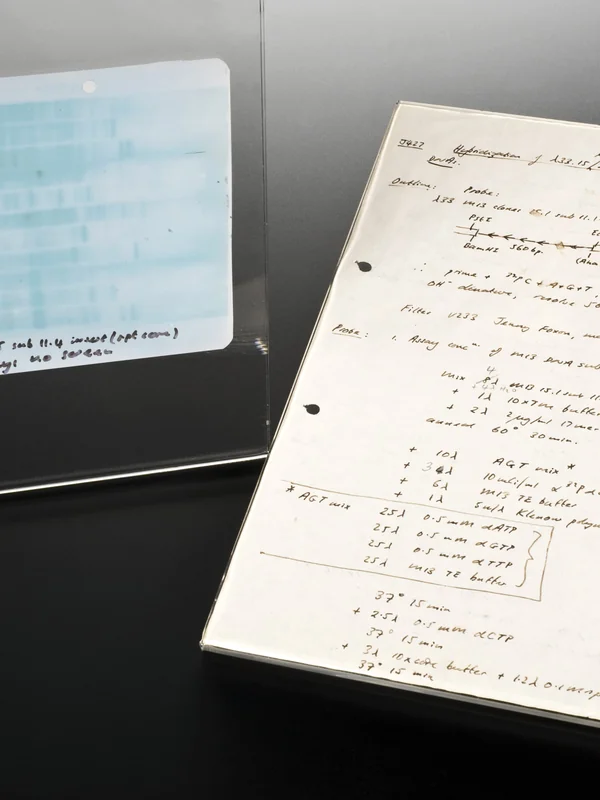
Medical DNA Fingerprinting
4 
Compact Laptop Computer
5 
Digital Music Synthesizer
6 
Video Cassette Rental System
7 
Speech-to-Text Software
8 
Advanced Prosthetic Limb Control
9 
Optical Fiber Network Expansion
10 
Personal Desktop Publishing
The Sounds of
Popular recordings and roots/country selections associated with the year
Wall Street Time Machine
The Right Call: If you'd invested $1,000 in any one of these companies in 1984, here's what the stored 2025 dataset estimates.
Rank #1
WMT
Walmart
Price in 1984
$0.23
2025 dataset value
$490,961
Walmart - If you invested $1,000 in 1984, it would be worth $490,961 today (491.0x return)
Rank #2
JNJ
Johnson & Johnson
Price in 1984
$0.94
2025 dataset value
$222,603
Johnson & Johnson - If you invested $1,000 in 1984, it would be worth $222,603 today (222.6x return)
Rank #3
MCD
McDonald's
Price in 1984
$1.18
2025 dataset value
$271,190
McDonald's - If you invested $1,000 in 1984, it would be worth $271,190 today (271.2x return)
🦸 Top 5 Comics

Teenage Mutant Ninja Turtles #1
$100,000

Secret Wars #8
$150

The New Teen Titans #1
$200

Saga of the Swamp Thing #25
$60
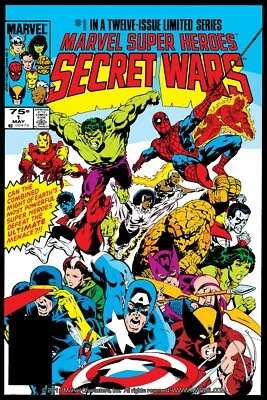
Marvel Super Heroes Secret Wars #1
$300
🧸 Top 5 Toys

Transformers
$1,200.00

Cabbage Patch Kids
$150.00

Voltron
$200.00

Masters of the Universe: He-Man
$150.00

G.I. Joe: A Real American Hero
$143.75
🎮 Top 5 Video Games

Tetris
$1,000.00

Duck Hunt
$275.00

Marble Madness
$100.00
Boulder Dash
$100.00

Kung-Fu Master
$200.00
⚾ Top 5 Trading Cards
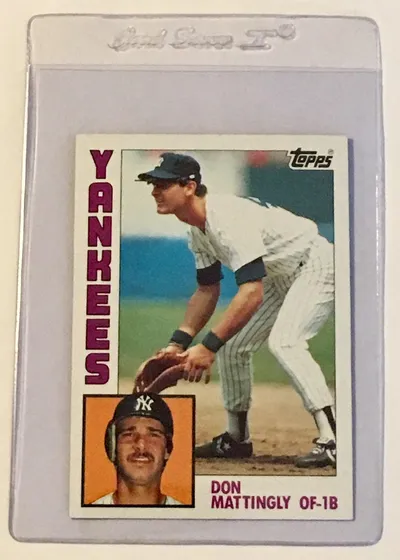
Don Mattingly Rookie Card #8
$3,000
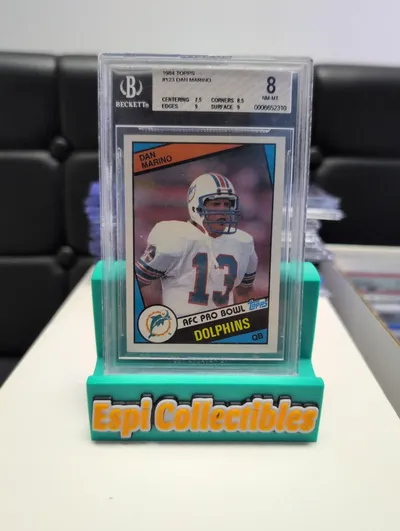
Dan Marino Rookie Card #123
$30,000

John Elway Rookie Card #63
$15,250

Darryl Strawberry Rookie Card #182
$200

Hulk Hogan Rookie Card #1
$41,000