








































DailyTimeCapsule brief
December 5, 1983
On December 5, 1983, the spotlight was on the Special Olympics, a significant event celebrating the capabilities of individuals with intellectual disabilities. The competition, which began in the 1960s, had grown tremendously, showcasing athletes from around the world who competed to demonstrate their skills and determination. In addition to the Special Olympics events, political discussions were brewing, as Manville, New Jersey, was weighing a new tax plan intending to address budget deficits. This proposed plan was part of a broader national discourse on fiscal responsibility as many cities faced economic challenges from the previous decade. Globally, the Cold War continued to cast a long shadow, with tensions between the United States and the Soviet Union still palpable, influencing domestic and international policies alike.
Key developments
-
The 1983 International Summer Special Olympics Games took place in Baton Rouge, Louisiana, showcasing the remarkable talents and spirits of athletes with intellectual disabilities from around the world. It was a groundbreaking event that promoted inclusivity and highlighted the importance of community support for individuals with special needs. Participants and spectators alike were touched by the athletes' determination and achievements, fostering a sense of unity and understanding among attendees.
-
Last week, the Manville Borough Council faced a significant decision regarding an out-of-court settlement with the Johns-Manville Sales Corporation, its largest industry. Accepting the settlement would lead to a reduction in the company's local tax obligations, costing the borough an estimated $12 million in ratables. The council's split decision highlights the ongoing debate over balancing financial relief for major industries against the fiscal needs of the community.
-
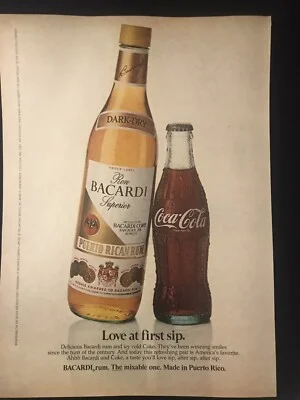
On December 5, 1933, the 18th Amendment, which had imposed a nationwide prohibition of alcoholic beverages, was officially repealed, marking the end of nearly 14 years of legal alcohol ban in the United States. This significant shift was a response to widespread social challenges, including the rise of organized crime and illegal speakeasies, demonstrating the complexities of legislating morality. The repeal allowed for the regulation and taxation of alcohol, contributing to the economic recovery during the Great Depression.