












































DailyTimeCapsule brief
November 1, 1983
On November 1, 1983, discussions at the Lebanon Unity Talks prominently featured Israel, reflecting the ongoing geopolitical complexities in the Middle East. The talks aimed to stabilize Lebanon amidst the civil strife and the aftermath of Israel's invasion in 1982. Concurrently, the influence of military power within the region was perceived to be expanding, raising concerns about the balance of power and the implications for surrounding nations. This period was marked by a Cold War backdrop, with global tensions affecting diplomatic relations and military strategies worldwide, notably in the context of U.S.-Soviet dynamics. In the United States, the Reagan administration was focused on foreign policy agendas, emphasizing a strong military presence and support for allies in the Middle East as a counter to Soviet expansionism. With military activities heightening, both locally in Lebanon and at the broader international level, the stage was set for further developments in U.S. engagement in the region.
Key developments
-
Today marked the first significant discussions in the Lebanese unity conference, where representatives from Syria and their anti-government Lebanese allies expressed their opposition to the American-sponsored withdrawal agreement between Israel and Lebanon. They called for the cancellation of this accord, signaling deepening tensions in the region concerning Israeli influence and presence. The outcomes of these talks could have far-reaching implications for Lebanon's internal stability and its relationship with surrounding nations.
-
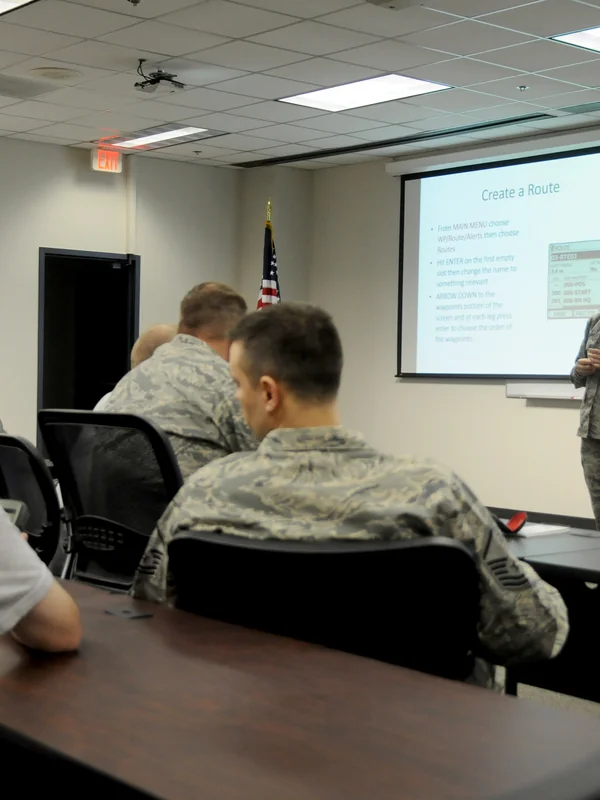
During the Reagan Administration, there was a notable shift towards incorporating military perspectives into national security decision-making processes. This trend became particularly evident during the Grenada operation, which underscored the administration's faith in military leadership to shape foreign policy. Officials within the administration acknowledged that this influence was not only strategic but also a matter of national pride, reflecting the era's heightened focus on military readiness and capability.