






















Inventions & Breakthroughs of May 1983
Gadgets, lab surprises, odd bets, and future-shocks from this slice of the calendar.
1 
Cellular Telephone Commercial Launch
2 
Domain Name System (DNS)
3 
Personal Computer Mouse
4 
Compact Disc-ROM
5 
Artificial Intelligence Expert Systems
6 
Global Positioning System Deployment
7 
Portable CD Player (Discman)
8 
Medical Laser Eye Surgery
9 
Computer-Aided Drug Design
10 
Electronic Trading Systems
The Sounds of
Popular recordings and roots/country selections associated with the year
Wall Street Time Machine
The Right Call: If you'd invested $1,000 in any one of these companies in 1983, here's what the stored 2025 dataset estimates.
Rank #2
WMT
Walmart
Price in 1983
$0.15
2025 dataset value
$784,047
Walmart - If you invested $1,000 in 1983, it would be worth $784,047 today (784.0x return)
Rank #3
JNJ
Johnson & Johnson
Price in 1983
$1.11
2025 dataset value
$188,194
Johnson & Johnson - If you invested $1,000 in 1983, it would be worth $188,194 today (188.2x return)
🦸 Top 5 Comics

The New Teen Titans #1
$150

Saga of the Swamp Thing #20
$50
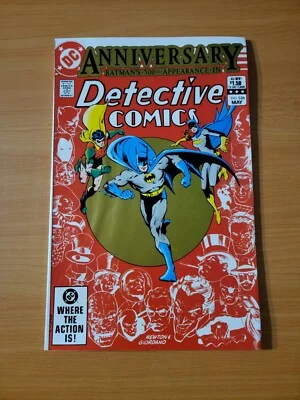
Detective Comics #526
$15

Thor #337
$50

Miracleman #2
$1,500
🧸 Top 5 Toys

Cabbage Patch Kids
$150.00

My Little Pony
$150.00

He-Man and the Masters of the Universe
$150.00

G.I. Joe: A Real American Hero
$175.00

Star Wars Return of the Jedi Action Figures
$150.00
🎮 Top 5 Video Games
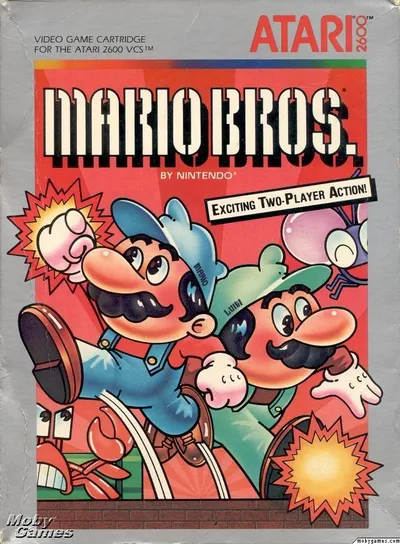
Mario Bros.
$600.00

Dragon'S Lair
$200.00
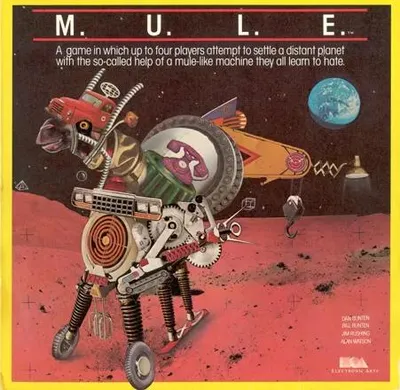
M.U.L.E.
$182.44

Lode Runner
$115.00

Tapper
$150.00
⚾ Top 5 Trading Cards

1983 Topps Baseball Tony Gwynn Rookie Card
$2,500

1983 Topps Baseball Ryne Sandberg Rookie Card
$1,560.00
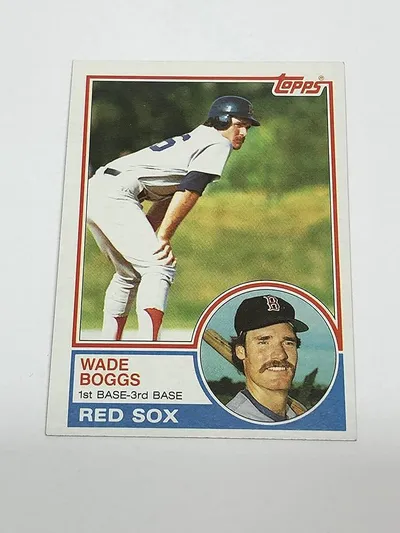
1983 Topps Baseball Wade Boggs Rookie Card
$1,500

1983 O-Pee-Chee Wrestling Hulk Hogan Card
$1,000
1983 Donruss Baseball Three’s Company - Ripken, Hrabosky, And Fingers (Card #654)
Unknown