















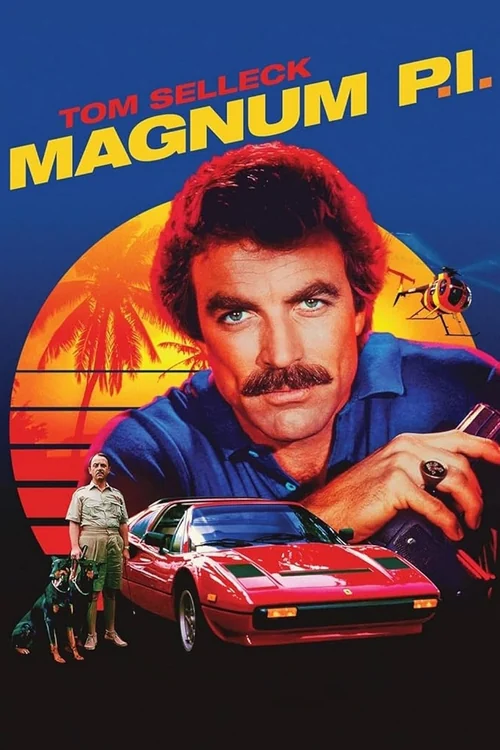



Inventions & Breakthroughs of January 1982
Gadgets, lab surprises, odd bets, and future-shocks from this slice of the calendar.
1 
Compact Disc Player (Consumer)
2 
Laptop Computer Concept
3 
Medical CT Scanner Improvements
4 
Digital Audio Recording System
5 
Artificial Heart Implant
6 
Automated Teller Network Expansion
7 
Home Satellite Television
8 
Computer Virus Concept
9 
Electric Anti-Lock Braking System
10 
Portable Fax Machine
The Sounds of
Popular recordings and roots/country selections associated with the year
Wall Street Time Machine
The Right Call: If you'd invested $1,000 in any one of these companies in 1982, here's what the stored 2025 dataset estimates.
Rank #1
INTC
Intel
Price in 1982
$0.13
2025 dataset value
$274,575
Intel - If you invested $1,000 in 1982, it would be worth $274,575 today (274.6x return)
Rank #3
WMT
Walmart
Price in 1982
$0.06
2025 dataset value
$1,791,511
Walmart - If you invested $1,000 in 1982, it would be worth $1,791,511 today (1791.5x return)
🦸 Top 5 Comics

The Uncanny X-Men #168
$20.00

Marvel Graphic Novel #5
$95,000

Daredevil #181
$2,600

The New Teen Titans #21
$50

Cerebus #39
$300
🧸 Top 5 Toys

Rubik's Cube
$150.00

G.I. Joe: A Real American Hero
$143.75

My Little Pony
$150.00

Conway's Game of Life
$100.00

Advanced Dungeons & Dragons: Dungeon!
$150.00
🎮 Top 5 Video Games

Pac-Man
$1,500.00

Pitfall!
$1,000.00

Q*bert
$33,400

Pole Position
$120.00

E.T. The Extra-Terrestrial
$450.00
⚾ Notable Trading Cards

Cal Ripken Jr. Rookie Card
$3,000
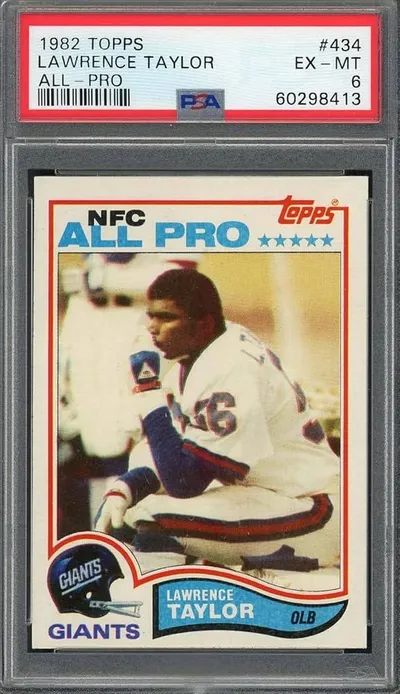
Lawrence Taylor Rookie Card
$18,000.00

Joe Montana Second Year Card
$76,250.00

Donruss Diamond Kings Reggie Jackson
$140