
















DailyTimeCapsule brief
January 1, 1982
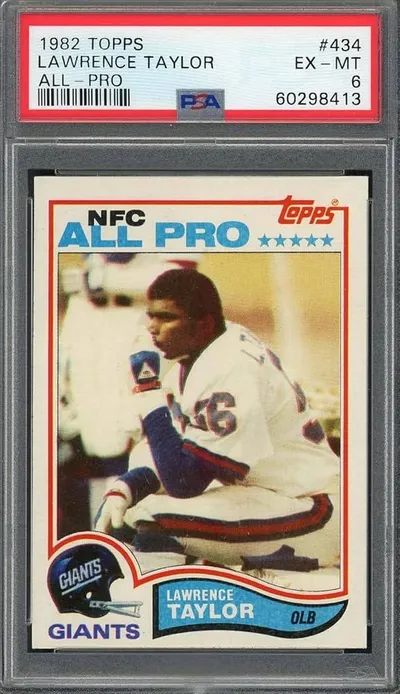
On January 1, 1982, Americans welcomed the new year amidst significant cultural and sporting events. The sports community buzzed with excitement as bowl games took center stage, showcasing the competitive spirit inherent in American football. The Orange Bowl and the Sugar Bowl drew large television audiences, highlighting the popularity of college football during the festive season. Globally, the Cold War still defined international relations, with tensions persisting between the United States and the Soviet Union. Economically, this period also marked the beginning of a decade of conservative policies under President Ronald Reagan, who had just assumed office a year earlier. His administration focused on reducing government spending and promoting free-market principles, which would shape America's economic landscape for years to come.
Key developments
-
The event titled 'Sports of the Times; Bowls of Boodle' celebrates the pinnacle of college football as ten teams compete in five major bowl games during the New Year holiday. It signifies a long-standing tradition where college teams clash in high-stakes matchups, providing fans with a festive celebration filled with excitement and camaraderie. The phrase '1 5 unbroken hours of football on the tube' captures the essence of this exhilarating viewing experience for sports enthusiasts across the nation.