













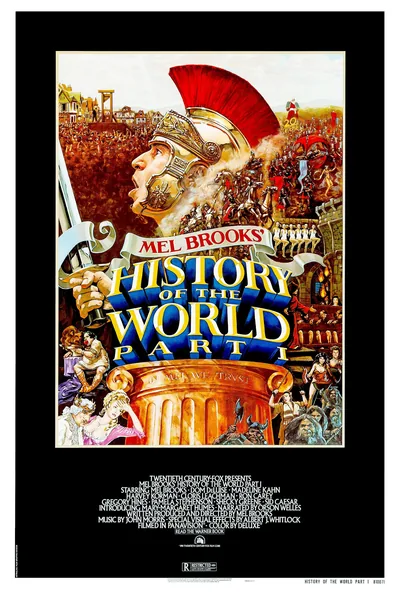





















DailyTimeCapsule brief
October 1, 1981
October 1 is a date rich with historical significance. In 1949, the People's Republic of China was officially proclaimed, marking the beginning of a new era under Mao Zedong's leadership. This monumental event reshaped not only Chinese society but also global political dynamics, creating ripples of change across Asia and beyond. Additionally, in 1960, Nigeria gained independence from British colonial rule, igniting hopes for self-determination throughout Africa. On this date in 1982, the first Walt Disney theme park in Japan, Tokyo Disneyland, opened its doors, becoming an iconic destination in the entertainment industry. As these events unfolded, they highlighted the interplay of political change, cultural evolution, and the joy of shared experiences. October 1 serves as a reminder of how collective aspirations and actions can lead to profound transformations in society, reflecting both the struggles and triumphs of humanity throughout history.