



















Inventions & Breakthroughs of September 1981
Gadgets, lab surprises, odd bets, and future-shocks from this slice of the calendar.
1 
Personal Computer (IBM PC)
2 
Graphical User Interface Concept
3 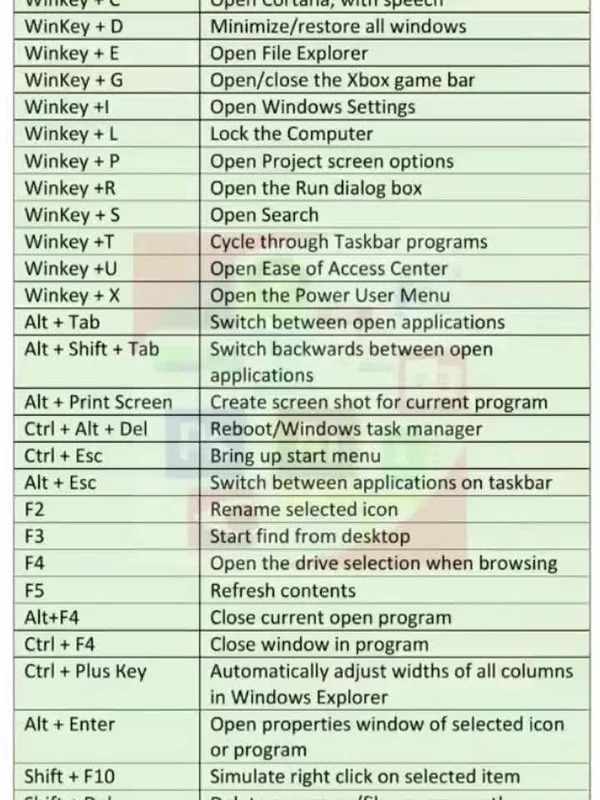
Word Processing Software (Microsoft Word)
4 
Digital Camera Prototype Commercialization
5 
Medical Infusion Pump
6 
Local Area Network Expansion
7 
Portable Video Game Console
8 
Computer-Aided Manufacturing Software
9 
Speech Recognition System Improvement
10 
Reusable Space Shuttle Program
The Sounds of
Popular recordings and roots/country selections associated with the year
HEADLINES ON September 12, 1981
Full News Archive
- Headline: Chekhov's 'Shooting Party' Explored. Fact: The play was written during a time of significant social change in Europe, just before World War I, which would dramatically alter the class structures being depicted..
Wall Street Time Machine
The Right Call: If you'd invested $1,000 in any one of these companies in 1981, here's what the stored 2025 dataset estimates.
Rank #2
INTC
Intel
Price in 1981
$0.23
2025 dataset value
$155,194
Intel - If you invested $1,000 in 1981, it would be worth $155,194 today (155.2x return)
🦸 Top 5 Comics

Daredevil #181
$2,600

Uncanny X-Men #141
$1,000

Marvel Graphic Novel #1
$42,000

Moon Knight #1
$250

Saga of the Swamp Thing #1
$300
🧸 Top 5 Toys

Rubik's Cube
$150.00

LEGO Space Sets
$400.00

My Little Pony
$150.00

He-Man and the Masters of the Universe
$150.00

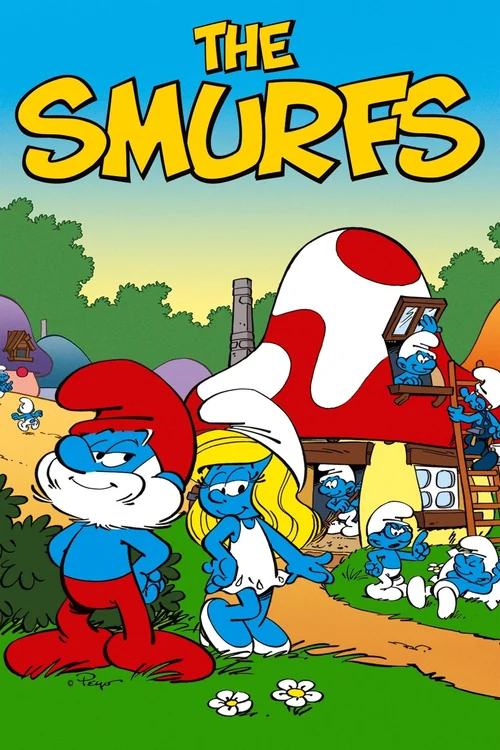
Smurfs Figurines
$150.00
🎮 Top 5 Video Games

Donkey Kong
$300.00

Pac-Man
$1,500.00

Frogger
$50.00

Galaga
$262.70

Ms. Pac-Man
$33,400.00
⚾ Top 5 Trading Cards
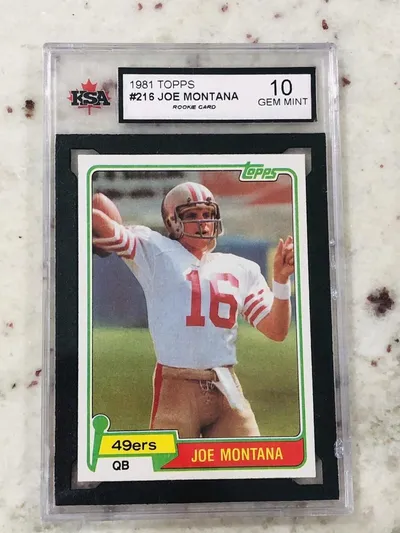
1981 Topps Joe Montana Rookie Card
$76,250

1981 Fleer Fernando Valenzuela Rookie Card
$400

1981 Donruss Tim Raines Rookie Card
$1,200.00

1981 Topps Magic Johnson and Larry Bird Card
$427,000

1981 O-Pee-Chee Wayne Gretzky
$2,000