


























DailyTimeCapsule brief
November 3, 1979
On November 3, 1979, Senator Edward Kennedy campaigned in West Virginia, focusing his rhetoric on nuclear safety and criticizing President Jimmy Carter's perceived indecisiveness on this critical issue. The Cold War tensions were palpable, with debates surrounding the United States' nuclear posture reigniting public concern over safety and leadership. Amid this political backdrop, America was grappling with issues including economic stagnation and rising inflation, as well as the ongoing Iran hostage crisis that loomed large over the nation. Kennedy's campaign message resonated with voters who were increasingly anxious about leadership and national security, setting the stage for a contentious political landscape leading into the 1980 presidential election.
Key developments
-
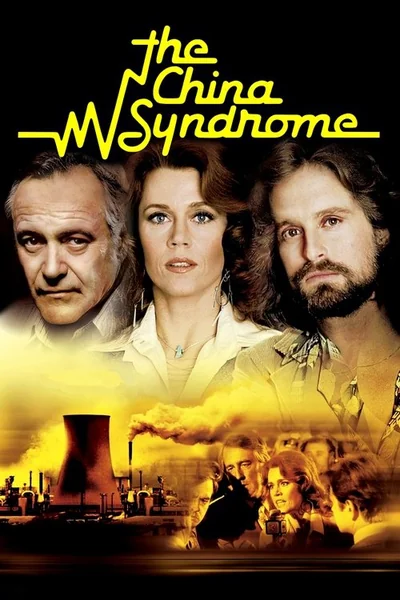
During a spirited speech at the Jefferson-Jackson Day dinner, Senator Ted Kennedy criticized President Jimmy Carter's indecisiveness regarding nuclear safety issues. Kennedy reiterated his call for a moratorium on the construction of new nuclear power plants until existing safety concerns are adequately addressed. Addressing a crowd of 3,400 Democrats, Kennedy positioned himself as a strong advocate for environmental safety and leadership in the face of potential nuclear hazards.
-
In Brian Levy's exploration of South Africa's political landscape, he argues that while certain segments of the black population have achieved notable economic and social progress, a stark divide remains. The benefits of recent reforms have largely eluded rural residents who are still struggling with poverty and lack of resources. This paradox highlights the challenges the nation faces in ensuring equitable development that reaches all demographics, especially the most vulnerable in society.
-
The Grind To Be A Grad