






























DailyTimeCapsule brief
October 18, 1979
On October 18, 1979, significant developments unfolded in the realm of criminal justice as a man was found guilty of committing murders in Oklahoma. This verdict came amid a complex backdrop of legal proceedings, where a defendant in Nebraska was acquitted, highlighting the disparities in judicial outcomes across states. Globally, tensions were rising in the Middle East, particularly regarding the Palestine Liberation Organization (P.L.O.), as four prominent Black leaders voiced their concerns about the implications of these conflicts on civil rights and diplomatic relations. This day was also notable for the ongoing discussions around domestic issues in America, including the economic challenges facing the nation. As inflation and unemployment continued to rise, these factors were shaping the political landscape and public sentiment going into the 1980s.
Key developments
-
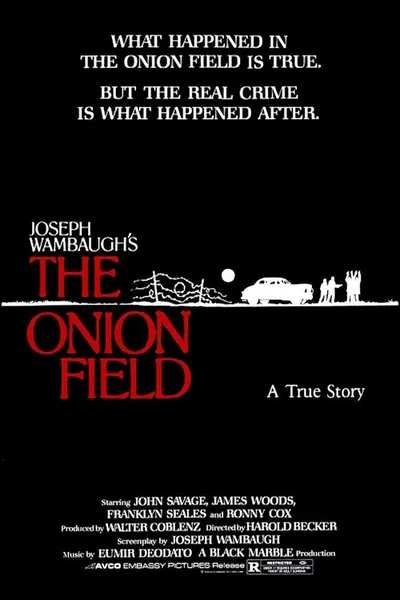
In a shocking turn of events, Erwin Charles Simants was found not guilty by reason of insanity after his second trial regarding the brutal attacks in Oklahoma. Testimony revealed that during the heinous assault, Simants raped a 10-year-old girl, adding to the horror of the case. This acquittal highlighted the complexities surrounding mental health defenses in criminal proceedings and sparked intense public debate over justice and accountability.
-
In 'Books of TheTimes', Malcolm Goldstein's work delves into the life and contributions of George S. Kaufman, a prominent figure in American theater. John Russell's review highlights Kaufman's unique comedic style and his significant impact on 20th-century plays, often blending wit with social commentary. This review not only examines Kaufman's notable works but also sheds light on his collaborative relationships with other influential theater artists of his era.
-
In 1976, prominent Black leaders, including NAACP executive director Benjamin L. Hooks and CORE founder James Farmer, voiced their apprehensions regarding the growing debate within the African American community over the Palestinian Liberation Organization (P.L.O.). They warned that this internal conflict could undermine the broader civil rights movement and distract from pressing issues facing Black Americans. Their concerns were a reaction to heightened tensions and differing opinions on international affairs, highlighting the intersection of global politics and domestic civil rights struggles.