




































DailyTimeCapsule brief
May 14, 1979
On May 14, 1979, a significant court case unveiled the extent of the Ford family's business dealings, shedding light on the intersection of family interests and corporate governance. This revelation came amid a backdrop of growing public scrutiny of major corporations, as more Americans began to question the transparency and accountability of their business practices. In the broader context, the United States was grappling with economic challenges including inflation and energy crises, which were shaping consumer behaviors and political debates. Concurrently, public discussions around the energy sector escalated, particularly regarding nuclear power plants, following the revelation that when these facilities shut down, consumers bear the financial burden. This day encapsulated a moment of heightened awareness and concern about both corporate ethics and energy policies, reflecting the complexities of American life in the late 1970s.
Key developments
-
The recent probate court filings in Detroit have unveiled intricate details regarding the personal, legal, and financial matters of the Ford family. This case, initiated by Benson Ford Jr., seeks to contest the will of his father, Benson Ford Sr., highlighting the family's internal conflicts and divisions. The legal proceedings also involve the attorneys representing the widow of Benson Ford Sr., indicating ongoing tensions surrounding the family's legacy and estate management.
-
Books of The Times is a prominent feature that provides insightful reviews and critiques of new literary works. Authored by esteemed critic John Leonard, these reviews not only highlight the strengths and weaknesses of the books but also contextualize them within the current literary landscape. This series aims to guide readers in their literary choices while provoking thought about the broader implications of the narratives presented.
-
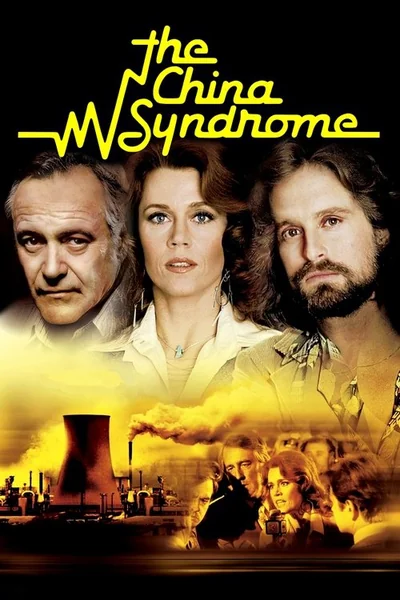
In his article, William D Shipman examines the controversial regulatory practices that allow utilities to secure a guaranteed return of 12-14% on common stock equity, treating it as a virtually risk-free investment. This practice raises questions about accountability and financial ethics, particularly when nuclear plants shut down and consumers are left to cover the resulting losses. Shipman argues that these regulations ultimately shift the financial burden from utilities to consumers, sparking a debate over energy policy and consumer protection.